Love with nowhere to go

Someone once said that grief is just love with nowhere to go. I like that idea. But it does leave me wondering: if someone has died, do you continue to love them as much, forever, or even add to that love in the same way as you do with someone who you’re still with? After all, I have new experiences with my wife and kids and friends where the love I have for them is topped up all the time because of something they say or do, an experience we share. Another warm glow of dopamine connection that comes from connection – a smile, a hug, a burst of laughter. Whereas all my moments of connection with my mum happened almost a decade ago…

Oh shit, he’s going to talk about his mum dying, isn’t he?

Well yes, sort of. I am going to talk a bit about death. I’m not going to go into details but, you can take this as your ”trigger warning”: this contains bad language (probably), flashing images (unlikely actually but just in case), alcohol use (I might have a beer at some point during the writing of this so I’ll check that in too) and yes, I am going to acknowledge the existence (or non-existence??) of death.

In my experience, we’re crap about talking about death, or indeed the dead. I don’t think that’s because of the platitude that it “reminds us of our own mortality”: it’s more basic than that. From an evolutionary psychology perspective, it’s simply that we are hard-wired to fear awkwardness – ours, or other people’s on our account – because in evolutionary terms we’re simple, social animals who want to be accepted by the tribe so we can get close enough to the campfire to keep warm and perhaps get some food, and if we’re the awkward one (or worse, the one who makes others feel awkward) we’ll find ourselves cast adrift in the deep, dark forest to fend for ourselves.

But those instincts that were designed to protect us back then, leave us feeling all alone now. Despite the fact that “in this world, nothing is certain except death and taxes” (you can thank Benjamin Franklin for that blunt assessment of our fragile existence), we just don’t have the societal structure to handle it. Our language allows us to talk in euphemisms of people having “passed away”, or having been “lost”, or “left us”. And because no one talks about death… well, no one knows how to talk about death. A cycle of avoidance, which leaves those feeling the loss of death also feeling ever more isolated.

It just seems like poor planning to me. All of our neurological and psycho-social development over hundreds of thousands of years has been painstakingly designed by the trial and error of natural selection to give us the very best chance of staying alive long enough to get our genetic information into the next generation. And yet the inevitability of that we will, without any doubt, experience death and grief doesn’t stop us from getting hit like a bloody train.

[By the way, sorry to boil it down but if you ever have one of those “why am I here” moments in an existential mist, “to get your genes into the next generation” is pretty much it same as every single living thing there has ever been and will ever be. But don’t you dare feel in any way disillusioned or depressed about that. The fact that you are here at all shows that you are the ultimate organism your personal gene pool could have produced. The chances of you being alive at all, let alone at a time when I can write this sitting on a boat on holiday and you can read it wherever you are on a little computer in your hand are so infinitesimally small as to be close to zero.
So, sincerely, congratulations. From an evolutionary perspective, you are absolutely rocking it. The fact that you put on a jacket this morning when you left the house and now you probably won’t need it does not negate the achievements of all your various ancestors in surviving wars, famine, disease, the Dark Ages generally, subjugation, invasion, starvation, attack by bears or, possibly, the odd sabre-toothed tiger. Let’s face it, if your 8-times great grandfather had fallen off that cocoa-trading ship rather than banging his head and falling on the deck, you wouldn’t be here. I’m not saying “be grateful to be alive” because that’s trite and dismissive, and you’re allowed to feel shitty if you’ve got a headache or had an argument or didn’t get the call back you were hoping for. But you are unique, and you are very, very special. Unfortunately, this doesn’t mean you are actually entitled to anything without a starter of skill or talent, a big chunk of hard graft as a main and a side order of good fortune. Oh, and bread and olives “for the table” of course.]

One of the reasons we don’t talk about it is because we think that other people don’t want us to. Only a matter of weeks after my mum died, the idea of mentioning her or the fact she had died or (even more ridiculous) that I still felt sad about that, seemed almost absurd. I mean, nobody wants to hear someone banging on about their dead relative for weeks on end, right? I mean, booooring!

I thought like that, as many do. Until someone pointed out to me a little inconsistency, which I will now pass on to you, dear reader…

If someone you cared about came to you a couple of months after someone close to them had died, and wanted to talk about it, or at least not not talk about it and pretend it hadn’t happened, what would you do?

Of course, you’d be open and empathetic and kind and thoughtful and show them that you cared about them and you’d probably tell them that if they wanted to talk in the future they knew where you were, and you’d probably go away from the conversation feeling pleased that you were able to support them, and actually perhaps a little proud that they felt they could open up to you like that.

So if you would do this, what would make you think they wouldn’t too? It’s not like you’re way nicer than other people, right?

[Don’t worry, I know you’re actually nicer than other people because you’re reading this and I have used AI to ensure that this is exclusively to be read by really, really nice people. But you get the point.]

From this point on, I started mentioning my mum when she popped into my mind. In fact, whenever I talked about the values of the agency I was leading, when I got to “Grace” I’d often say “This was the one my mum liked”… the past tense hanging there, making the point. It brought her into the room with me, and that felt nice.

I don’t mean “into the room” in any ghost kind of way. Although for someone who’s not at all religious, I happily dance along the knife edge of spirituality quite happily, picking and choosing what I believe and what I don’t to create my own unique little belief system. Personally, I don’t believe that there’s some all-knowing, all-seeing something up somewhere looking over us, or that there’s a place we go after we die. I don’t believe in reincarnation, or ghosts, or fate.

But I do believe that, in a certain way, we all live forever. Not in the sense of reincarnation, but in the way that our memory endures, in the people whom we’ve known and loved and who know and love us in return, and then by extension by the people they know and love and so on. We pass through the generations like our own genetic fingerprint, a little piece of us all traveling on into a time we will never know.

As time moves inexorably on, of course, the memory of us will be diluted by every passing day, until there are only homeopathic levels of us still around. But just as a single drop of water doesn’t change the sea, it’s still part of the sea.

That’s how I feel like my mum is still around, I guess. My memory of her is dimming over time – sometimes I can’t quite remember her face anymore and rely on more recent memories of pictures we have around when I envisage her. [Interesting (to me at least) that “envisage” contains comes from the French en- meaning in, and -visage meaning face. Perhaps envisage originally came from the idea of imagining a face? I can’t find anything to confirm or deny that, so please enlighten me if you happen to know].

I can hear her voice, though, very clearly. I was always able to do a decent impression of her, largely to wind her up when she was with me – a favourite being whenever I gave her a bearhug and she would exclaim “my glasses” in her slightly annoyed but amused way because she thought they would get squashed and I’d repeat it back to her to tease her. So now whenever someone says ‘my glasses’ (with the long ‘a’ of “well-spoken” English, of course, making it rhyme with “arses” rather than “asses”) I repeat it to myself in my head, saying it just as Mum would have,.

And in a much more concrete way, I can actually hear her actual voice whenever I want. Because I’ve got a recording of her actual voice.

That might be an obvious thing to say now in a time where we all have a thousand videos of everyone we know on our phones all the time. But filming everything wasn’t quite such a thing 10 years back, and in any case, I wonder how many vids you have of your mum or your dad? They don’t tend to be the people. we capture on video really, do they? So whilst I think I might have a couple of vids in which my mum is in the background, this is pretty much the only place where I’ve got her actual voice.

It was the last answerphone message she left me, and I was so paranoid about losing it I’ve now got it saved all over the place, in various clouds and on laptops and memory sticks. It’s not long, and it’s not that enlightening, but it’s still her voice and because we’re not designed to understand death really, every time I hear it it’s like she’s saying it right now. Like she’s just left it a few minutes ago. Like she’s still alive, I guess.

In the message, she says:

Phil, it’s Mum calling. I’m on my mobile, and it is important that you phone me back, soon as you can. Erm, I’m at Christie’s here, and I need to speak to you. Erm, so… and I guess just be somewhere where perhaps you’re a bit private, darling. Okay, speak when we can. Bye.

There’s a lot to unpack in there. You can’t read the tone of voice, but she’s quiet, and subdued. Doesn’t sound like good news, right?

But before we get there, I’d like to unpack some of the different elements, because in that 31-second recording you can get at least a small sense of my mum, actually.

First of all, I know it’s you calling, Mum, because I saw your number as a missed call. And even if I hadn’t seen your number, I’d know it’s you because I’ve known your voice for my entire life. And let’s be honest, I don’t think the word “calling” is really necessary at all. So from that, you can get that my mum was frustratingly just like your mum and every mum really. Endearingly crap at anything to do with tech, and never really got the hang of mobile communication.

Oh, and by the way, the next phrase: “I’m on my mobile” is also completely unnecessary. You could argue that the instruction to “phone me back” is perhaps a little extraneous, but I’ll give her that. “Soon as you can”, particularly in the tone of voice I mentioned, makes the stomach drop a bit.

And then we get to “I’m at Christie’s”. If you’re unlucky enough to know much about the Christie hospital in Manchester, you’ll know it’s a specialist cancer hospital. Brilliant place, but not somewhere you want to spend as much time as I or my sister have. Ugh.

And then “I need to speak to you” which, let’s be honest, is pretty obvious because that’s why you called me in the first place isn’t it Mum? No one calls because they don’t need to speak to someone. But where were we…?

Oh yeah. “Be somewhere where perhaps you’re a bit private”. Fuck. That’s the bit that gets me, even now. That and the addition of “darling”. A thoughtful, considerate woman, full of love, even at the most difficult of times.

That message was left at 11:31 on the 24th of April, 2014. 4 days after my elder son Ben’s fourth birthday, on Easter Sunday that year. To raise the mood a little, here’s a pointless pic that I took of him and his little brother on his birthday.
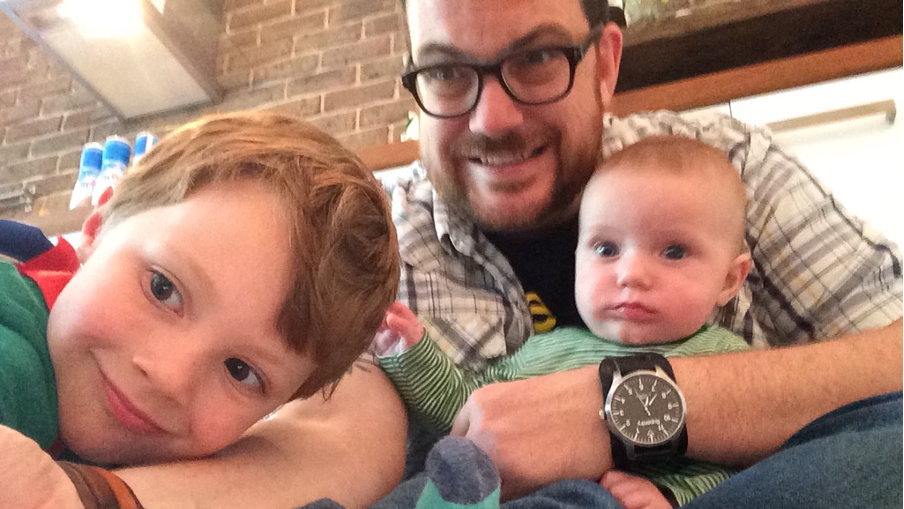
20th April, 2014

I’m not sure why I didn’t answer her call at the time. I’d started about a month earlier at the advertising agency I’ve been running since, and so I was probably in a meeting with my old Finance Director, the inimitable Manoj, where he was telling me about how we were losing money every month and it was now my problem to solve. I do remember a lot of those kind of conversations at that time.

I don’t remember the specifics of the call when I phoned her back either really, but I do know it was the call when she told me the doctors weren’t giving her any more treatment, because it wouldn’t make any difference. From her first round of chemo on April 5th (my sixth wedding anniversary, as it happens), my mum died just 10 days after she left that message, on May 4th, 2014. What started slowly with a cough around the turn of the year accelerated fast and then it was just bad news every time.

I read somewhere that we have societal and social coping mechanisms for death, built into our emotions, but that these only really work for the sudden, unexpected but immediate death (the “massive heart attack” or “tragic car accident”) and the long, prolonged death from a terminal illness. Whether or not that theory holds water [what an odd phrase that one it – sounds like someone who needs to go to the loo] or not I’m not sure, but the fact is that the situation with my mum fell between these two – not so quick as to be in a state of shock; not slow enough to come to terms with things. Just bad news every time.

Your experience of death will be different from mine, of course. Where you were, who you were with. Who told you, if you weren’t there, yourself, and how you reacted. But whilst those moments are right there with you as they are with me, and were so, so visceral at the time, I’ve found that those aren’t the times I remember when I think of Mum, because really those are about me, and my feelings, and my reactions, not actually about her. How I think of her has changed as the time between now and then has grown, so that now I miss her in a much more general way: less about specifics of experiences we shared, or about her absence at those key dates around the calendar, but more the idea of Mum, in all her “Mumness”, that I often think about. Let me explain…

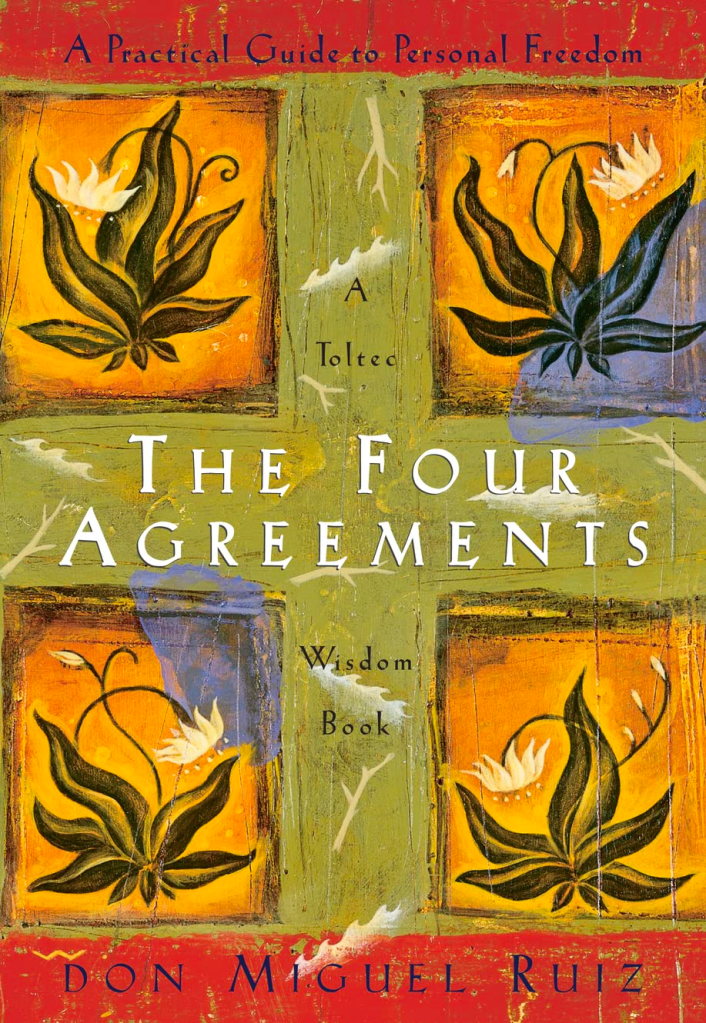
Mum would quite often come down to visit my wife and me in South Eash London, and use us as a base for going to galleries or museums in the city centre. She was on her own in her little terrace in Nantwich, Cheshire, and so she’d get the train down from Crewe to Euston and then, as a confident user of London’s public transport system (she was brought up in Richmond in London’s leafy South West) would make her way to The National Gallery (most likely) before heading on down to us in Crystal Palace where she’d just turn up on the doorstep. Without any real idea of when to expect her, the doorbell would ring, and I’d say “That’ll be Mum” and go to answer the door and she’d be standing there with her little wheelie suitcase wearing that dark purple coat that I bought for her one Christmas (I think??). Just “Mum”. All hugs and smiles and stories of the exhibition and her journey.
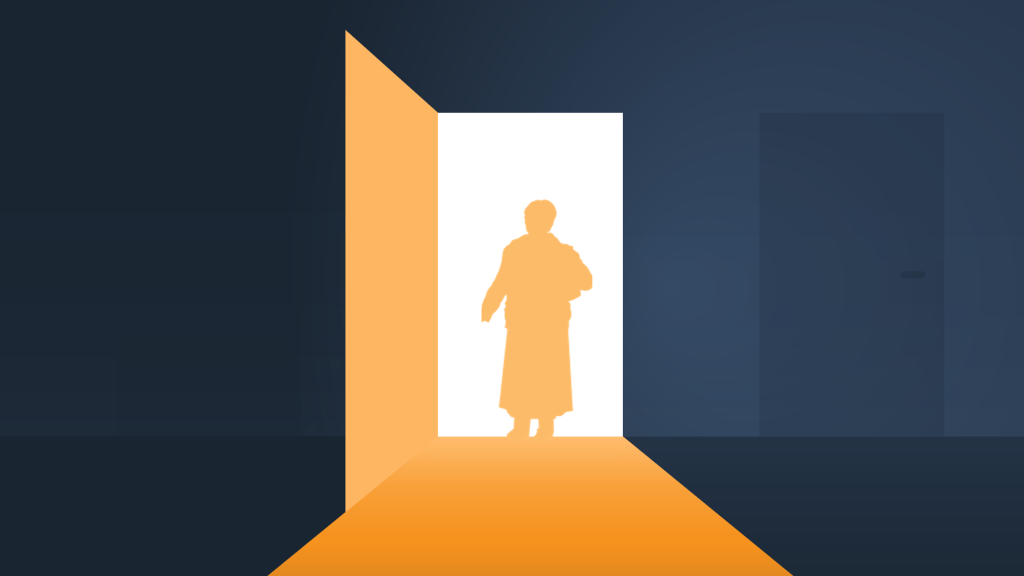
“Mum”

The feeling of opening the door and seeing her there is one that I miss with all my heart, but also one that I can feel today as strongly as I ever could. And one that always brings a thoughtful smile because that’s what keeps her with me. Not the pictures, or the voicemail, or the recipe for marmalade she wrote out for me because she could never remember that I hate marmalade. It’s the feeling of “Mum”. Still with me, whenever I want it.

The person you’re thinking of now, that you miss so dearly… they’re with you, too, in whatever way you choose to believe or experience that. They’re part of your experience and, by extension, they’re part of how people experience you. Celebrate them. Miss them. Raise a smile for them too.

We’ve all experienced grief in some way. A grandparent, a friend, a parent, a sibling, a colleague. Even a relationship. The end of something we didn’t want to end. It’s all the same feeling, really, and we’ve all felt it. So don’t push it away, and please don’t worry about talking about it. I promise you that you’ll find that the vulnerability of grief can actually be a wonderful way of connecting with someone who already cares about you.

I’ve just found the slightly longer quote from which I’ve taken the title of this piece, and it’s worth sharing…

Grief, I’ve learned, is really just love. It’s all the love you want to give, but cannot. All that unspent love gathers up in the corners of your eyes, the lump in your throat, and in that hollow part of your chest. Grief is just love with no place to go.

Except, of course, love always has somewhere to go, doesn’t it? Love that was for someone else, but now goes into the people who are still with you.

Thanks for sticking with me today, I really appreciate it. Love to you and yours.
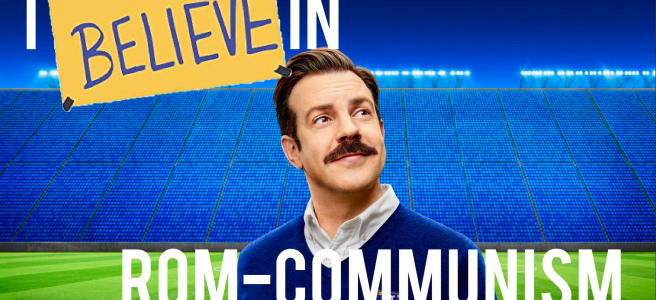
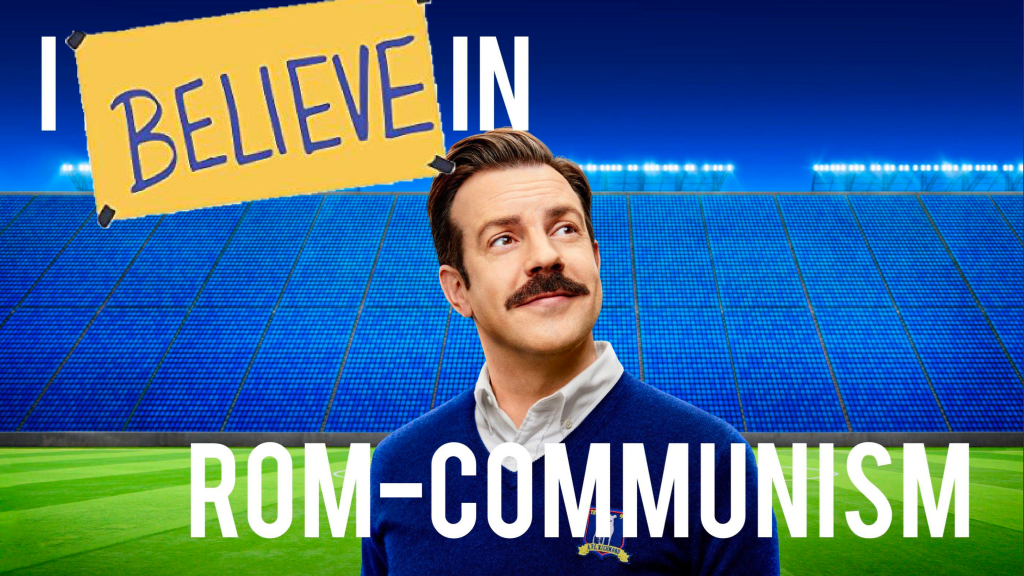
Believing in Rom-Communism

Have you watched Ted Lasso? If you have you might already know what I’m talking about here. In which case, stick with me anyway because who knows, I might say something borderline interesting at some point. If you’ve never heard of it, don’t worry because the theme of it isn’t crucial to what I’m going to talk about anyway. Basically, whomever you are, and whatever your current relationship with Ted Lasso, from superfan to total obliviousness, let’s just agree that you carry on reading and I’ll carry on writing, yeah?

[For those novices, suffice to say that Ted Lasso is a comedy series about a football coach from the USA who comes over to London to manage a fictional club in Richmond. Sounds a bit crap, but it’s absolutely brilliant – less piss-taking about Americans saying “soccer” instead of football and more of a case study in vulnerable leadership. And you don’t need to like football to enjoy it either – my wife is Welsh and hates football and we devoured each series like a pack of children at a party devouring the birthday cake which a loving aunt took ages baking but was only actually on display for about 45 seconds before it was cut into irregular size pieces and put in paper napkins to be squashed in a party bag along with a bouncy ball and an almost unbelievably small fun-size Mars bar]

So, with those somewhat unnecessary and [let’s be honest here] rambling introductory passages behind us, let’s get into the bones of this, shall we?

There’s a point in the second series where the team are in a real slump. They’re playing terribly, and losing, and it seems like all might be lost. It’s at this lowest ebb, where the team are starting to come apart at the seams and individuals are blaming individuals for the failing of the whole, that Ted gives an impassioned talk about his belief in “rom-communism”.

The man himself

Rom-communism is a concept borrowed from the classic romantic-comedy movie narrative, where in the middle of the film everything is a right old mess and it looks like the two protagonists aren’t actually going to end up together. Yet by the end of the film, everything tends to work out.

So for Ted, a belief in rom-communism is a belief that everything’s going to work out in the end..

Now these next few months might be tricky, but that’s just ’cause we’re going through our dark forest. Fairy tales do not start, nor do they end, in the dark forest. That son of a gun always shows up smack-dab in the middle of a story. But it will all work out.

Now, it may not work out how you think it will, or how you hope it does, but believe me, it will all work out.

Exactly as it’s supposed to.

Our job is to have zero expectations and just let go.

Ted Lasso: Season 2, Episode 5

It’s stuck with me, this scene. I don’t believe in fate: the idea that our lives are somehow pre-ordained and we are destined for something whether we like it or not. I also don’t really believe in luck, whilst we’re on the subject of things somehow bigger and more mysterious than ourselves. It’s not “lucky” that stick wasn’t closer to our younger son Jack’s eye [true story – he’s currently on course to take the title of “World’s Clumsiest Living Human”] any more than it’s lucky when you don’t stab yourself in the face with your fork when you’re eating. And whilst we’re on this particular soapbox, no, it’s not “spooky” when you ring your friend and they answer and say “oh my God I was literally just about to call you!!” any more than it’s spooky that you didn’t ring them all the dozens of other times they were about to call.

So no, I don’t believe things will work out as they were always going to. But I do believe that things tend to work out as they are supposed to…

Through the middle of last year I had a pretty confusing time of things, particularly with what was going on at work. [I lknow, bloody work, eh?]. Having thought things were going to go one way, it became clear that things were going to go a completely different way and there wasn’t a damn thing I could do about it.

Looking back on it, there were things I could have done differently, and there are things I’d do exactly the same, but the bottom line was that it was really disruptive and difficult for loads of reasons, surprisingly few of which are anything to do with me, actually. Some relationships I thought were solid turned out not to be. Others turned out to be stronger than I’d thought. But whilst I was right in the middle of it, forgetting about the second agreement I made with myself to not take anything personally, I took everything personally. Whoops!

[If you’re wondering about the other agreements, or indeed wondering why I’m going around making agreements with myself and thinking that perhaps I should have a nice cup of tea and a sit down, you can find out more about The Four Agreements in a blog I wrote about it all here. It’s good stuff but don’t just take my word for it: you can ask my mate Caroline’s husband, who told me he liked it (hello Aaron mate!) and he really had no reason to lie to me.]

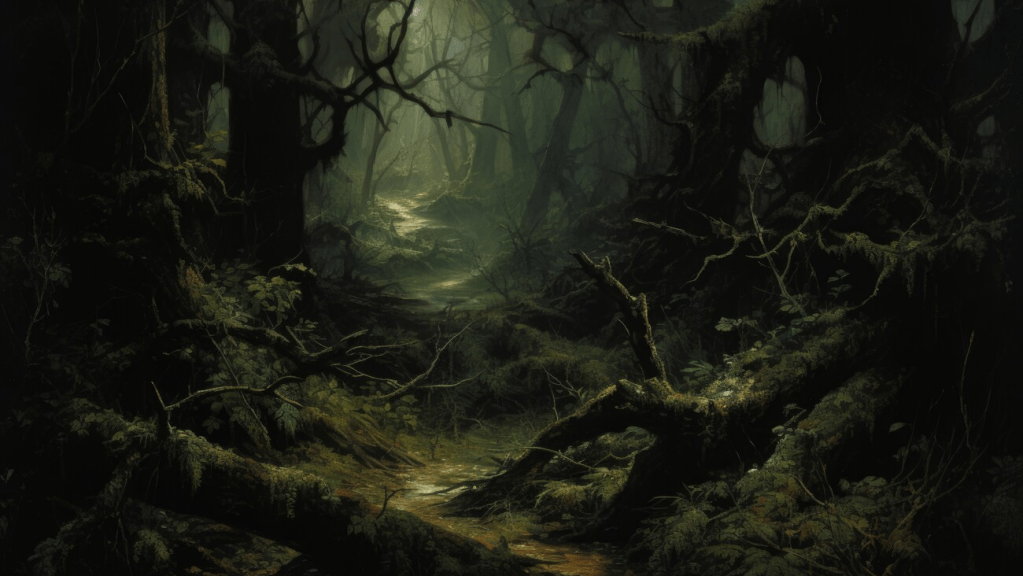
Yes, that’s right: I was going through my deep, dark forest.

This isn’t actually my forest as such but it’s quite similar

And for a while there, I forgot that fairy tales do not begin, nor do they end, in the dark forest. That they always turn up in the middle of a story.

I won’t apologise for that, because… well because I’m not sorry, basically. I lost my way a bit, and weirdly I didn’t actually realise that I’d lost my way until I stumbled out of the darkness of the forest into a clearing, and saw the wide expanse of the sky for the first time in a long time and suddenly became acutely aware that I’d been holding on so tightly to expectations that I’d lost the plot of my own story and, to a degree, lost myself.

Forgive me for taking a short detour here. That idea of “lost myself” is interesting to me. We’ve all felt a version of this at some point and we’ve got lots of ways of talking about it: I was not feeling myself; I was beside myself. I do think it’s all about how we understand our own sense of “self”, and actually it’s when we are furthest from our own values that we feel most disconnected from ourselves, and most lost in the world as a result.

Actually connecting to that disconnection was, for me, the first step in the next part of the journey.

My good friend, and cherished colleague, Sir Olly of Caporn [take a bow, Oliver] and I were chatting recently and he casually and without ceremony said something very profound, as he tends to occasionally:

The story only makes sense when you reach the end.

Like a great whodunnit, or crime drama, or, yes, even a rom-com… when you get to the end of the story, it all makes sense, and then when you look back you can see how it all fits together.

And that’s how I feel now, With a new world of work opening up, with all the possible roads that I could have taken but didn’t now just sub-plots that didn’t happen or didn’t go anywhere, it seems almost daft to think that things could have ended up any way than the way they’ve actually ended up.

I’m not saying this is the end of the story, because of course it’s the start of a completely new one. But it’s the end of that story, and whilst it did not work out how I thought it would, or how, at the time, I hoped it was going to, dammit if it didn’t all work out. Exactly as it was supposed to, I guess.

You may, as you read this, be in your own dark forest. I’m really sorry if you are. I know how much that sucks.

I also know that sometimes, we need to sit down in the forest, and take a moment. To check on our values and on our sense of self, and just take a moment. I’m the last person to tell you to pick yourself up and dust yourself down and carry on struggling through the thick undergrowth and sharp leaves and grabbing vines before you’re good and ready. Because we both know that has to come from you.

But we both know you will have to decide to pick yourself up and dust yourself down at some point.

And when you make that decision, remember that fairy tales do not start, nor do they end, in the dark forest. This isn’t the end of the story. Your job is to have zero expectations, and just let go.

And know that when you get to the end of the story that you’ll be able to look back and understand it all.

You’ll know that, even though it was hard, things worked out, somehow.

You’ll know more about yourself. Your values., Your principles.

And maybe, just maybe, that’s all part of the story, too.

Not giving a f*ck

Contrary to what the title of this piece might suggest, this actually isn’t about not giving a f*ck in the traditional sense at all. In fact, it’s about choosing to. We’ll get there in a few minutes. But first, let me take you on a little journey I went on recently…

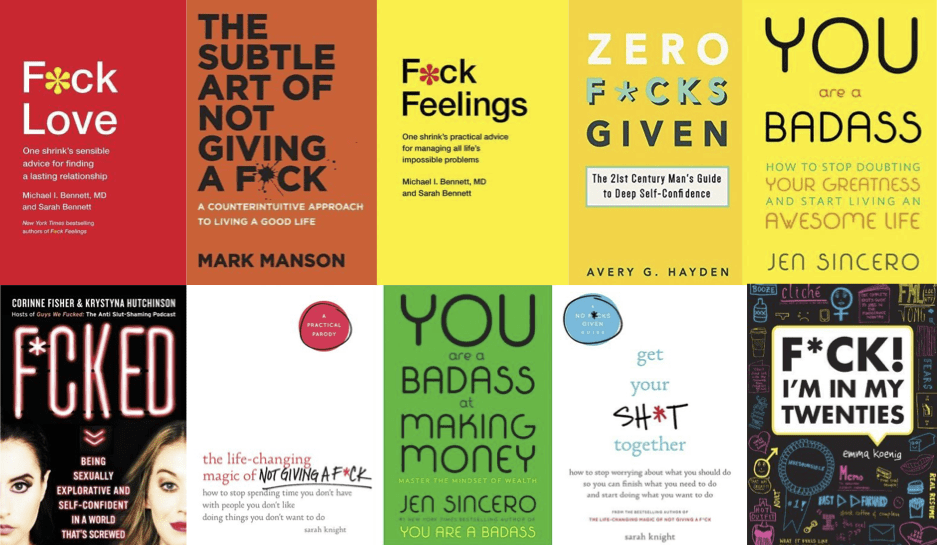
Like me, you may have noticed that there’s a certain genre of book title which… SHOCK HORROR… has a swear word in it. I’ve always thought it’s a bit disingenuous to be honest, designed to capture the attention and titillate and shock and be all rebellious when in actual fact it’s just a plain old gimmick.

If you ask me [and I know you haven’t asked me as such but I have to assume you are reading this by choice and part of the deal is that I get to say what I want and you have to just carry on reading it, so let’s just agree that it’s okay and crack on] there’s nothing clever about putting a swear word on the front cover of a book, especially if you’re going to cop out and put “f*ck” rather than having the strength of your convictions and writing the word “fuck” properly, as God intended. I know that’s because otherwise people might be shocked and appalled, but the idea that somebody may be offended by accidentally being exposed to such utter, deplorable filth and feel so aghast that they have to forego their plans for the day and lie in a darkened room with a cold compress upon their fevered brow is, frankly, a bit self-indulgent in a world where there are much more important things to be offended by. Things we will, in time, get to.

It’s not big and it’s not clever.

[For the record, from here on in I’m using the correct spelling, so if for whatever reason you don’t fancy reading the word “fuck” (without the magical * that somehow makes it acceptable) quite a few more times, now would be the perfect time to carefully back away from the particular high horse I seem to have found myself on, without going round the back of course because we all know that horses can kick.]

It’s with this context that whilst I’d heard of a book that came out a few years back entitled The Subtle Art of Not Giving A F*ck, I hadn’t bothered to check it out.

Part of it was the whole ‘swear word on a book cover’ schtick which just gets on my nerves [in case you hadn’t noticed], and part of it was an assumption that, because the author was American, and male, and white, it could just be a whole book of someone saying how cool they were because they didn’t give a fuck about anything or anyone, in some kind of pseudo macho, ego-heavy, try-hard monstrosity. That’s right, I judged the book by its cover.

[You know people say you shouldn’t judge a book by its cover? I think that’s true of pretty much most things… except books. If I’m in a bookshop (remember them?) and I’m browsing for something to buy and then leave in a pile with all the other books I’ve bought but not read, then what the hell else do I have to go on? If it’s a black cover with a silver dagger on it and big blocky writing, it’s going to be a murder-mystery type thing. If it’s a light brown cover with a tasteful etching or painting and/or a discerning old-fashioned typeface, it’s probably going to be a historical feast with a side order of love story. If it’s white and has a rose on it, it’s a romance. 99% of the time the reason I pick up this book instead of that one will have something to do with the cover. And anyway, if it wasn’t important books wouldn’t have different covers, am I right?? Anyway sorry, where were we?]

Fast forward to this summer, and someone whose opinion I respect told me that the book had recently been made into a documentary with the author (a chap by the name of Mark Manson) talking through it, and that it was really good and I should watch it. I figured that if I could give up 90 minutes or so and get the jist then that was probably worth it. So I downloaded it and watched it on a flight on my way off on holiday.

First thing to tell you is that it is indeed “really good”. It’s charming and thoughtful and engaging, and bit sad at the end too which made me shed a few tears whilst looking out at the clouds below. Admittedly I was in quite an emotional place at the time [in my head: the plane was no more emotional than any other as far as I remember] but on the whole if I feel like crying I’ll go with it and, as ever, it was quite cathartic.

I won’t go through the whole thing because you can find 90 minutes or so too and watch it yourself on one of the streaming subscriptions you’ve forgotten about [and really should probably cancel because you don’t really use it as much as you thought you would but honestly who has the brain space for rationalising subscriptions when they can just think “ah well, it’s only £6.99” and forget about it for another 6 months? Not me!] but there were a few things I took away from it which I will share with you.

Overall, it’s less about ‘not giving a fuck’ and more about being more deliberate about what you decide to give a fuck about. I guess that’s the “subtle art” bit, as I think about it now. You only have so many fucks to give, so don’t go chucking them around willy nilly over things that don’t deserve your fuck-giving.

I was introduced to this way of thinking a few years back by a Zen taxi driver – the idea that you shouldn’t allow every agressive Audi driver [used to be BMW drivers but now it feels Audi have risen to the challenge] full and unfettered access to your emotions. I wrote a whole blog about this guy which you can read here in your own time. But for now, stick with me…

The other concept I picked up was a bit more nuanced, and gets us towards where we’re going with this whole story. It went something like this: if you choose the problem, you can’t also give a fuck about how hard it is.

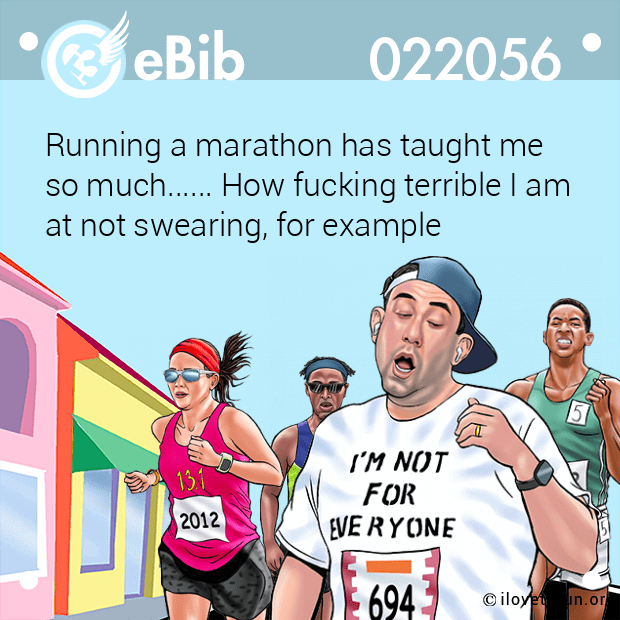
The best analogy that leaps to mind for me is around running a marathon. You decide to do it, knowing that there is no moment between that decision and the end of the marathon that will be anything other than largely awful. Nobody enjoys training to run a marathon, building up to running a marathon, and the majority of the marathon itself. In fact, the only part of the marathon that is actually enjoyable is the actual end of the marathon when you can stop running the marathon and not have to think about the bloody marathon ever again.

But if you choose to do a marathon, you can’t then go around giving a fuck about how ridiculously hard it is. You can’t give a fuck about the cold dark morning runs. You can’t give a fuck about the blisters, and the shin splints, and the bad knees. You can’t give a fuck about the anxiety in the week running up to it, or the fact you need a wee after a few miles, or the feeling near the end when you want to stop or, failing that, simply die.

How apt!
Pic courtesy of https://ilovetorun.org/

If you choose, then you can’t also give a fuck about the difficulties that go with that choice.

So, think for a moment: what have you chosen? Are you stuck in the mud of also giving a fuck about all the stuff that goes with it?

I have chosen to be a “good father”. Maybe even a great father. I want my sons to look back at their time growing up with the certainty that their father loved them, and respected them, and protected them. That their father was always there to support them when they needed support and push them when they needed a push. A father that was honest, and fair, and clear on expectations. A father that they themselves might aspire to be, if they so choose.

Me being a perfect dad with my happy, well-adjusted children

Because that is my choice, I can’t give a fuck about how hard it is sometimes to be that guy. I can’t choose to aim for fatherly greatness and then give a fuck when I can’t dismiss their questions with “because I say so” like I want to. I can’t make that choice then give a fuck about how hard it is to be consistent. I can’t choose to be a supportive and encouraging and attentive father and then give a fuck when it means I have to coach a load of 9- and 10-year-olds football on a Saturday morning and then coach a load of 13- and 14-year olds rugby on a Sunday morning all through the autumn, winter and spring so every single weekend morning from September through to May instead of having a well-earned lie in I have to get up early and find all the relevant kit which they didn’t bother to sort out the night before LIKE WE HAVE DISCUSSED, AT LENGTH, ON SEVERAL OCCASIONS [true story].

I can’t choose to be a father who respects them and their questions and then give a fuck when they ask about what’s happening in Gaza. I can’t give a fuck that I owe them a considered, balanced view because it’s on every news report, every day, and they see and hear everything and it’s fucking heartbreaking.

Not giving a fuck isn’t not caring. It’s the opposite, in fact: caring so much about your goals that you don’t care about any adversity that may stand in the way of your goals. Not giving a fuck is a commitment; a determination, even when it’s hard.

I never really chose to be a leader in my working life. It just kind of happened because wherever I worked, if I had an idea on how things could be better I’d talk to people about it, and I’m good at having ideas and bad at not talking to people, and if you carry on having ideas about how things could be better, people tend to give you more responsibility. I guess along the way I did choose to carry on up the career ladder I was on, driven by ideas and by a good chunk of ego, so it’s not like I didn’t know what I was doing. But the real choice came after, once I was in a position where I could decide what kind of leader I was going to be

I chose to be a “good boss”. Maybe even a great boss. I wanted my people to look back at their time working for me with the certainty that their boss loved them, and respected them, and protected them. That their boss was always there to support them when they needed support and push them when they needed a push. A boss that was honest, and fair, and clear on expectations. A boss that they themselves might aspire to be, if they so choose.

[Hmm yes that does sounds familiar, doesn’t it? A nagging sense of deja vu… almost like I did it on purpose, right? Something for another time, perhaps?]

That choice has given me huge amounts of satisfaction and joy, and it’s been so tough that I’ve balanced on the border of burnout and breakdown. It’s made me friends for life, and broken my heart a couple of times, too. More than once it’s been bad for my mental health, bad for my relationships, even bad for my career.

But I chose to lead with vulnerability and values, with love and loyalty, with trust and truth.

So I can’t give a fuck when that road has bumps in it. Even sizeable bumps that make your stomach flip a bit like those times when you were little and your dad was driving down a country lane [always your dad driving back in those days, never your mum] and went over a narrow brick humpback bridge over a stream and everyone went “woooo” as the momentum of their upward trajectory then the sudden drag down of gravity sent their internal organs all squiffy.

As ever in these situations, I find myself coming back to the words of Brené Brown.

[I won’t apologise for the preponderance of BB in these pages, because I’ve learnt a lot from listening to her and reading her words and I reckon you probably would too, if you haven’t already. But just for the record, I am aware BB does come up a lot. Let’s just say that I’m passing it on to you to save you time and effort in finding it all yourself. You are, as ever, most welcome]

The words she would use for this kind of leadership are “Strong back, soft front, wild heart.”

Strong back because shit is going to be tough sometimes and, as an authentic and open leader, you need to be able to take some of that. You need to have a back flexible but sturdy, like the oak tree that I see in the woods when I’m walking my dog, Ruby [that’s my dog’s name, not the oak tree, which we have given a name but that’s also for another time], which gets whacked by the wind year after year, branches stripped of leaves and boughs broken, but has roots deep in the earth which mean that it buds again in the spring and sows acorns across the clearing for the squirrels to squirrel away into holes that they forget about in the Autumn…

Soft front because that’s how people can find their way in. I won’t go into yet another treatise on the power of vulnerability to build trust, but it really is the only way. Soft front is the way in. In my experience, a closed, hard front is there to protect a brittle back; a shield to defend a lack of confidence, a lack of strong roots in the ground.

Wild heart? Well I’ll leave that up to Brené because I’d just be paraphrasing her anyway:

Two months back I left the company I’d been leading for the best part of a decade; the company I’d put my heart and soul into since I was a mere whippersnapper in my 30s. Leaving was such sweet sorrow, for lots of reasons that I won’t go into here. But for the last 2 months I’ve been unemployed, and I’ve been working hard to change that. It’s going well [thanks for asking!] and in the not-too-distant future I’ll have something new to put my wild heart and soul into.

And I’ll do that with the wildest of hearts. Once you’ve chosen to stand up for what you believe in and committed to it, you really have no other choice but to go again.

And you can’t give a fuck about how hard that might make it.

So, dear reader, I now ask you to think again about the choices you’ve made. Not what you had for breakfast this morning or what you’re going to watch with a glass of red once the kids are in bed [true story], but the ones where you’ve had to stick to your guns a bit, and dig deep.

The choice to be in a profession that maybe doesn’t pay as much as some others but really, really means something to you.

The choice to stay in the relationship and work at fixing it.

The choice to be a working mum and commit to both aspects of that dual existence.

The choice to put in the extra hours because you have pride in your work even though it probably won’t get noticed.

The choice to open yourself up again with the knowledge that yes, you might get hurt again, but “what if” it all works out?

You’ve made choices because of who you are and what you stand for. You’ve chosen what to care about. Be proud of that, and be clear on what that means.

Because not giving a fuck, is all about choosing what to care about and what not to care about. The choice not to care about anything that gets in your way because you know you’re on the right road, on a quest that is noble, and important, and fucking worth it.

I reckon that is something we could all try not giving a fuck about.

[In case you’re wondering, I have peppered this piece with the word “fuck” a total of 28 times. In the famous last words of Dylan Thomas: “I believe that’s a record”. I also popped a “shit” in there for those of you who like a little variation.]

ADHD and me

As you may or may not know, October is ADHD Awareness Month. Now that I missed the entire month, meaning to write something about it but procrastinating for a bit then forgetting about it for a bit then meaning to get round to it but getting distracted by something or other [is that a Jay I can see out of the window? They really are quite beautiful aren’t they?] I think it’s probably about time I let you, dear reader, into the incredible time of enlightenment and understanding that I’ve experienced in the last few months.

In a nutshell, I have ADHD.

If you know me even at all well, that revelation will likely illicit the response “no shit, Sherlock” [please feel free to replace this wonderfully idiosyncratic British term with anything you might prefer which shows a total lack of surprise at something you probably assumed anyway] because it’s kind of obvious really in the way I act and interact, the way and, I suppose, in the way I write as well [I mean, what kind of person has all these parenthesised ‘by the way’ bits throughout everything they write? Yes, that’s right, someone whose brain flits off in different directions like a hummingbird seeking out the finest, sweetest droplets of nectar from the flowers in the forest. Someone with ADHD, basically].

Certainly my father [hi Dad – hope you’re enjoying your holiday] wasn’t exactly surprised. “It does explain all your school reports I suppose” was his reaction to my telling him about my diagnosis. And he’s right: my memory of those reports was littered with talk of my “potential”, “easily distracted” and of course “distracting”, talkative, . And the times where I really got into proper “trouble” it was never malicious: more often than not it was just something that happened on the spur of the moment where I impulsively did something daft to make people laugh and it all went wrong somehow.

So yeah, I’ve got ADHD. No massive surprise to lots of people. And actually, not really a surprise for me, either, which needs a little explanation. If I’ve suspected it for a while, why bother getting assessed and diagnosed? What difference does it make?

For quite a long time I’ve had the thought in my head [which is where most of my thoughts tend to wander, in case you were wondering] that, had ADHD been a ‘thing’ when I was a kid, I would have been diagnosed. I’ve even said that to people. After all, I left school in 1993 [I know, you’re shocked because I look so youthful, right?] and ADHD wasn’t recognised as a valid condition in the UK until 2000 when the National Institute of Clinical Excellence (the organisation who decide about conditions and treatments – they’re the ones who you hear about in news reports referred to as NICE) brought out their first report on the condition. I hadn’t heard of it until after I’d long gone from the school room, and to be honest, I thought ADHD was just a childhood thing anyway: more about behaviour and self-discipline than anything else. So I thought I might have had it. But adults can’t have it, and I am an adult so I must have grown out of it.

I can’t remember when I first heard about Adult ADHD. “A while back” is about as accurate as I’m going to get on that one. But I do remember still getting hooked up on the H bit of it.

The H of ADHD stands for hyperactivity of course, and whilst yeah, I fidget a bit and jig my leg when I’m sitting down and I sometimes stand up whilst I’m in a meeting because I need to stretch my legs and I’m always fiddling with whatever’s on the table in front of me… (!!) I’ve always thought that hyperactivity is about not being able to sit down and constantly jumping all over the place and running around and that ain’t me. I’m really pretty good at sitting in one place for ages when I’m doing something I’m into, like playing the piano or reading or writing something like this…

That’s another thing. I’ve always had the sense that if I concentrate on something I can be absolutely prolific. Especially if there’s a deadline coming. I’ve always had this belief that I can get things done really, really quickly when I need to. I’ve never, ever been phased by a deadline. In fact, I’ve found that I work better under pressure. I’ve even said, to close friends or colleagues in the past, that I’ve got this belief that I can smash through 4 or 5 days’ work in a couple of days, but I know that after I’ll be exhausted so if I’ve got a weeks’ work to do I’ll do it in 2 or 3 days and then coast a bit for a couple of days.

I’ve always felt that my brain worked differently from other people’s brains.

But what got me thinking that I should get a diagnosis in the first place, it in the first place and what I’ve learnt since? That’s been surprising, and enlightening, and actually life-changing. Let’s start at the beginning.

As regular readers of these pages will know, I’ve had my fair share of struggles with anxiety over the last few years. In fact, I think I’ve always struggled with it, really. I’ve always felt that if I could just turn my brain off, just for a bit, then I’d be able to relax more. I’ve always thought that I overthink things. I’ve always had a really uneasy sense of self – of who I really am. Sometimes I’m the joker, who’s irreverent and somewhat rebellious and makes people laugh and is good fun to be around, and yet in my heart of hearts I’m actually very thoughtful and introspective and sensitive and actually quite an introvert… all wrapped up in a very (sometimes excessively) extroverted package. Which one is the “real me”? Does anyone really know me at all?

I’ve always felt that it’s exhausting, being me.

[Yes, I know that using the phrase “psychodrama” underplays the emotional strain of that time and that making light of things can be counterproductive and reinforce the outdated notion that emotions and feelings are somehow not appropriate, particularly for men who find themselves, as we all do, constrained by the shackles of expectations that come with the tropes of masculinity. But if I want to make light of things for comedic effect as a way of avoiding having to get into things from time to time then by great Zeus’ mighty beard I shall do precisely that and there’s nothing you can do about it.]

If I’m honest, the end of the year once I’d come back wasn’t great either. I was pretending to be okay most of the time, whilst trying to convince myself that I was okay too. Whilst very much not being okay. Some of the pressures that had built up had dissipated but I can tell you from experience that if you ever get to the point where you feel you need to take a month off, you probably need to take more than a month off.

Anyway, I made it through with a few bumps and bruises along the way. Other things I picked up along the way included a rediscovered love of poetry, mostly via my new yoga teacher [hi Lucy – see you Friday!] which I also picked up and now can’t imagine my life without. I also learned to meditate and started journaling. Basically, all the good things that I always thought I should do but never really got round to because… well, because I have ADHD and actually getting round to things is actually quite difficult with my brain.

And perhaps the most important thing I stumbled across this year is the diagnosis itself.

That came about through a colleague who became a friend. Nice when that happens, isn’t it. [And hello to you Farhat – looking forward to eventually sorting out that date for lunch!]. This woman is probably more open and honest and direct than anyone I’ve ever met, yet kind and thoughtful with it. Deeply committed to driving change in all aspects of diversity and inclusivity, she pushes me to consider my own perspective on lots of things. I find myself questioning my beliefs in anticipation that I might need to have a friendly and vulnerable toe-to-toe debate with her, and that forces me to challenge my own thinking along the way which always ends up with a clearer perspective, more considered and more rounded than when I started. Sounds good, right?

Perhaps part of the reason for her directness, and something she was disarmingly open about from our first meeting, was that she knew she was neurodiverse, and had recently been diagnosed with autism. I have both friends and family who are “on the spectrum” and there’s a clarity of thought that can result from a neurodiverse mind that I always find fascinating to be honest.

So when she told me that she’d also been previously diagnosed with adult ADHD, I was intrigued. I knew that Adult ADHD was a thing, but I’d always had that thing about the H bit that I didn’t connect with. But my friend isn’t physically hyperactive either, really. I was keen to hear more.

She talked about how she had had to learn about how to use her energy to allow for, or indeed take advantage of, her ADHD. She told me that she was able to “hyperfocus” on a subject that interested her, but would then be exhausted afterwards…

Hmm.

She told me that sometimes she struggled to focus on things, and would jump from one thing to another and back again. I always thought I was good at multi-tasking, but she pointed out that really I was just jumping from one thing to another and back again…

Hmm.

We talked a lot about her ADHD as I was keen to learn how to make sure she felt included and that she belonged, and also so I could make sure I knew how to get the best out of her. Because the level of work that she was able to produce through harnessing that hyperfocus was just off-the-chart incredible.

The more she told me about what she had learned about her ADHD, the more I found myself sitting there thinking “That’s me”. Eventually, I asked her how she started her assessment, and she smiled and said “I do see a lot of me in you”.

That’s where the ADHD part of the story started for me. I did an assessment and I ticked virtually every box. I then did the full clinical assessment and got my diagnosis.

So, what’s changed?

Honestly, pretty much everything.

For years I’d been suffering under a cloud of anxiety, and in the end it drove me right to the edge of breakdown and depression. Yet now I felt I could reframe that anxiety as the result of undiagnosed and untreated ADHD, and now I’m being treated for the ADHD, I don’t have the anxiety in the same way at all.

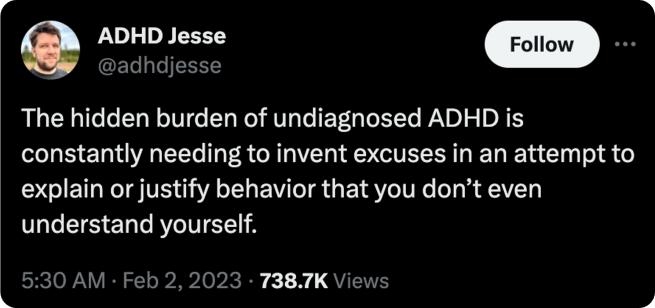
As I was just starting to explore the idea of Adult ADHD I saw this tweet, and it really summed up not just my childhood but large swathes of my adult life too:

In another nutshell, this is me.

The way I’ve come to describe ADHD is that it’s your mind, and then immediately afterwards your body, overreacting to outside stimuli. The mind sees fun, or threat, or danger, or excitement and primes the body to deal with it. I’ve never been able to stop myself from making a joke, even when it’s probably not the right time. I’ve never been good at taking criticism in the moment.

ADHD doesn’t define me. But damn, it sure explains a hell of a lot.

ADHD often comes with a lower ability to regulate emotions, so it’s hard to put the breaks on when emotions start off. It’s why I’ve always worried about being very ‘up and down’ emotionally and the impact that has on the people I care about and who care about me.

The name of it really doesn’t help. ADHD isn’t a lack of attention: it causes us to pay too much attention, to everything, most of the time. Not being able to stop reacting to outside stimuli. A lack of filter.

And the hyperactivity sounds like something physical, but in fact:

The vast majority of adults with an adhd nervous system are not overtly hyperactive. They are hyperactive internally

Dr William Dodson, M.D., LF-APA

A hyperactive mind. A mind that doesn’t stop. No wonder I’ve always felt like it’s exhausting being me.

What I’ve learnt about my ADHD is just as important as getting the right treatment for it. As much as the new meds have made a big difference, just understanding myself (and my self) has allowed me to reassess how I can manage things differently in the future. In my view, it’s about pills and skills, not either/or.

Last year I was worried that my mental health problems would overwhelm me. I don’t worry about that any more. I’ve got lots more to learn, but whilst I don’t subscribe to the “ADHD is my superpower” idea I’ve seen a lot of on social media, I also don’t think it’s a burden that will drag me down either.

I was sitting up after watching the Rugby World Cup Final with an old school friend of mine last weekend [hello Nobby – hope the whisky hangover has completely gone by now] and he pointed out that whilst the ADHD might have made things difficult sometimes, on balance I’ve also had a shitload of fun along the way, and it’s probably made me good fun to be around too. He’s a wise man, my friend.

Now that I understand it better, I’m better able to understand how to harness the benefits and manage the difficulties. Now I understand it better, I can see that whilst it’s caused me problems, my ADHD has also been part of my successes too.

Now that I understand it better, I’m not sure I’d want to get rid of it even if I could.

ADHD awareness month has come and gone, but for me the awareness of my own, personal experience of ADHD has only just begun. I’m going to learn more as I go, and as I learn I’ll fill you in on anything that I think you’ll find interesting if that’s cool?

Until then, I’m just off to change a lightbulb which will end up with me having to fix my car. To find out what the hell I’m talking about – and to see the most perfect example of an ADHD day that I’ve ever come across, have a look at this little clip.

Speak again soon. Love and peace x

The Four Agreements

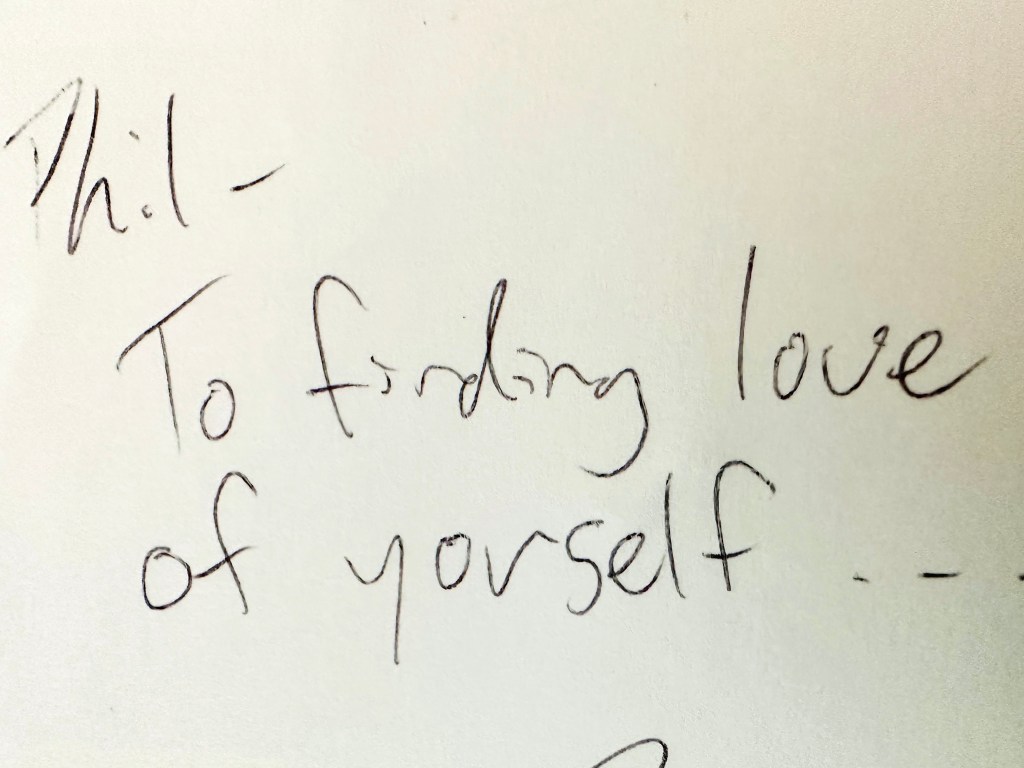
I don’t know about you, but whenever I give someone a book, particularly one very specific to them, I write a little note in the front along with the date. I do it partly because I really appreciate it when someone does it for me, and also perhaps partly because I like the idea of marking the moment in time so that in the future it’ll pop up again.

Perhaps it’ll be read by the person to whom I gave the book, a single tear of reminiscence rolling involuntarily down their face as they recall the thoughtful gesture and how lovely I was. Or perhaps it’ll be read by someone decades from now who’s picked up the book for next to nothing at a charity shop and will never know how lovely I was except to know I’m the kind of person who writes a note in the front of a book. And maybe, just maybe, they will decide that is something they will do from that point on… thereby making the world a slightly better place, forever and ever into the future.

Yes, I do overthink things sometimes, I’ll give you that.

Anyway, it just so happens that in the middle of last year, right in the middle of a very challenging time for me personally (which, if you’re interested in such things, you can read about here), someone I didn’t really know very well came up to me holding a book, and then handed me that book. Their personal copy of a book they carried with them at all times, a book wherein they had highlighted passages, and made the odd note. Handed over now to me, for me toread and to keep.

And yes, they had written inside:

Underneath, they’d written their name, and their personal contact details

First off, it struck me then and still does today as an incredibly kind, thoughtful, open gesture. Let me give you something that’s helped me, in the hope that it may help you too.

But just as much as that, I was fascinated as to what the book might be. What is the kind of book that someone carries with them, at all times, and highlights passages and makes little notes in pencil in the margin, and is then moved to inscribe and hand to someone else? It must be a book with such wisdom, such guidance, to drive someone to feel they simply must pass on to someone else in their time of need.

What book holds that kind of potential impact?

The book in question is called The Four Agreements, written by a chap by the name of Don Miguel Ruiz. I’ll be honest, the first time I started into it I liked the thinking but struggled a little with the way it’s written. That’s because Don Miguel Ruiz is a shamanic teacher and healer, and he writes in a very unconventional, conversational style about teachings from the ancient Toltec culture in central Mexico. It’s not written like a classic business or “self-help*” book because it’s not written by a classic business or “self-help” author, and as you can see below it’s not either of those things anyway, it’s a much more than that: a Practical Guide To Personal Freedom. So you have to get into the way it’s written, or you have to get past the way it’s written. But you can’t ignore the way it’s written.

[I hate that I feel the need to put “self-help” in “” but I do so because it’s been hijacked to be used pejoratively by people who think that “self-help” is the sort of thing that those awful woke snowflake Remoaner lefties need and which any hard-working normal person knows is a load of bloody nonsense and anyway who needs introspection when you can just judge other people from a position of blithe, dismissive self-ignorance? From being a positive, it’s become a negative, despite the fact that every single thing I’ve read with the intention of helping myself has, in some way, actually helped my actual self. But anyway, it’s in “” so we can leave it there and crack on…]

Whether you get into or get past, the idea of a Practical Guide to Personal Freedom is immediately something that appeals, right?. I mean, who doesn’t want Personal Freedom, and what better than a Practical Guide to get there? I’ve been following the Massively Impractical Guide to Personal Angst in my own brain for years and that’s been a bit of a chore at times, to say the least.

And once you’re in, the simplicity of The Four Agreements sing out as a sort of rulebook for a life which doesn’t fall into all the pitfalls we all fall into, all the bloody time. So simple that it’s a bit annoying no one mentioned them before, really.

So to avoid you having to find all this stuff out yourself, I’ll outline them here, with my take on what they’re all about, and you can save yourself a lot of future angst. Sounds like a plan, right? Great, let’s roll.

This is the front cover. You can’t miss it.

1) Be impeccable with your word

Don’t talk shit, basically. Don’t lie, don’t make stuff up, don’t brag, gossip, don’t collude, don’t say unkind things, don’t talk about people behind their backs. Actually, don’t say any of that shit to yourself either. Tell the truth to yourself and to others. As good ole’ Brené Brown would say “Clear is kind, unclear is unkind”.

Am I good at this? Only in parts. I’m not one for collusion and I don’t brag, but I do gossip sometimes and on a bad day I can be quite cutting about people, particularly when I feel I’ve been “wronged” in some way. I can also talk shit about myself, to myself. So this is one I have to come back to, and remind myself of, to keep it fresh and real. This much I do know: nothing good comes of speaking ill.

2) Don’t take anything personally.

Self-explanatory this one. But damn – how can you not take things personally when you are about you? If something happens to you, or someone does something to you, it’s you, right? It’s personal to me because it’s happening to me!

Except, of course, it really isn’t. This is one I’ve kept really close to me since I first read it – the idea that whatever someone does or says, howsoever it may affect you… it’s not about you. It’s about them.

It’s about how they see the world, and themselves in the world; about the pressures they have put on them and the pressures they put on themselves. It may affect you in horrible ways, but even then, it’s not personal. It’s not about you, it’s about them.

If someone treats you badly, it’s because in their mind they are under pressure or under attack somehow. If someone puts you down, it’s because of how they experience themselves when they are with you. If they really, really seem to just hate you for no reason you can work out, then don’t bother trying to work it out because the answer to “what have I done?” is quite possibly “nothing”. Because they don’t actually hate you – the you that you know and know to be fundementally good – they have negative feelings towards the “you” they have created in their mind because of their own issues. It really isn’t about you.

I know this is difficult. Believe me when I say that even with this agreement not to take anything personally sitting happily in your head in all its logical, sensible splendour, it’s still really, really difficult. I’m not saying you should just brush it off or, even worse, get thick-skinned to protect yourself. Those people who claim not to give a fuck about anything people say or do to them are lying to you and to themselves. I’m not saying you can’t be upset. Be upset. Just don’t take it personally. Because it’s not about you, it’s about them.

Oh and by the way, unfortunately, it works both ways. So it’s also true that If someone talks you up or lauds your every minute action and deed, it’s really not about you, it’s about what they think or hope for or need in the relationship. I know you’re brilliant, but just don’t take it personally.

Trust me: this one is a keeper. Don’t take anything personally. It’s not about you, it’s about them.

3) Don’t make assumptions

You know what they say: “Assume” makes an ass out of u and me. That trite little saying doesn’t stop us from doing it though, does it?

We make assumptions because we’re trying to make sense of the world without all the information to hand. Our brains don’t like stories without an ending. We seek reasons and endings, and so without a reason or an ending we just go and make up our own.

Assumptions are the basis of pretty much every conflict you’ve ever had – the story you’ve made up in your head about what someone else is thinking, which you then judge them for without them even knowing. They become the loser in a game they didn’t know they were playing. And let’s be honest, we don’t often cast ourselves as the villains in the piece.

Assumptions leave you wide open to be disappointed, or surprised, or shocked and appalled when things don’t turn out as we guessed they would. Assume it’s in the bag and you’ll find that someone who assumed otherwise put in more effort than you and walked away with the prize. Assume they won’t want to talk to you and you’ll never know what might have been. Assume there’s no point in applying for that job, and I promise you that you 100% will not get that job.

This is my biggest Achilles Heel. I love a good story, and I can’t help telling myself all the stories I’ve created about my assumptions. I know that this is how my brain works, though, so I’m trying to be disciplined in checking those stories as I go and removing the assumptions that may be driving action, inaction, or reaction.

4) Always do your best.

I love this. So simple. The kind of thing we were told as kids and now tell our kids because that’s what you tell kids… without really listening to what we’re saying and taking our own instruction.

If you always, always simply do your very, very best, you can end the day knowing that you couldn’t have done anything more. It’s the drive to get up in the morning and the solace to sleep soundly through the night. Just do your best. Personal to you, and only you know what your best is. Don’t worry about what other people are doing. Don’t cut corners.

And be okay with the idea that your best varies, too. Your best when you’ve had the elusive straight eight hours of uninterrupted sleep and woken to the birdsong and the sun is coming up and the day ahead looks challenging but manageable isn’t the same as your best when you’ve been awake through the night with your mind racing because you know you’ve got that difficult conversation you have to have later and there’s no milk for your morning cuppa and the dog just slobbered on your black jeans so it looks like you’ve had a giant snail crawling. up your leg. But just do your best, no more and no less, every time, in everything, and you simply cannot go far wrong. It’s actually quite freeing.

So there you have it. The Four Agreements, which I was given by a very kind man who felt I needed them at a difficult time in my life. Again, what a lovely gesture.

And what simple agreements they are. I can’t tell you that I stick to them all the time, but I can tell you that whenever I lose my way, it’s because I’ve not done one or more of these.

Maybe just make a note of them somewhere and consider in all honesty, where you’re strongest. on these and where you’re not. Perhaps consider that difficult thing that’s on your mind at the moment and see if there’s a chance that one of these agreements might have avoided it – or might even get you out of it. Be impeccable with your word. Don’t take anything personally. Don’t make assumptions.

And whatever you do today, just do your best. No more, no less. I reckon that’ll be more than enough for whatever today has in store for you,

[If you’re interested in getting a copy of said book for yourself, then you can find it here or at all good remaining physical book shops. I’d give you mine but I’m not quite ready to give it up yet.]