We like things that end cleanly, right? A launch, a decision. a delivery. Something we can point at and say, “that’s done”. Clean endings give us a sense of control. They make the effort feel justified. They let us compress weeks or months of work into a sentence or two, maybe starting with “well, what we did was…”
But most of the time, that’s not where we actually spend the vast majority of our time. Most of the time, we’re somewhere else entirely: right slap bang in the middle. And as I’m sure you don’t need me to tell you, the middle is where things stop behaving
Where the brief seemed pretty clear at first but as soon as you start to pull it apart it disintegrates, like a cartoon character pulling at a thread on their adversary’s jumper and leaving them standing there just in their nik naks.
Where the plan that looked optimistic now looks, with the benefit of lived experience and a deadline hurtling down the tracks towards you, really quite spectacularly so.
It’s the phase where you’re not sure whether the discomfort you’re feeling is creative tension doing its job, or something quietly going wrong.
[Annoyingly, it can be a bit of both. In fact, it’s usually a bit of both.]
The middle is emotionally untidy. Where you feel deeply confident on Monday morning and quietly less so by Thursday. Where you oscillate wildly between “this is coming together nicely” and “I have ruined everything I have ever touched”. Sometimes before lunch.
It’s also the bit we’re least likely to talk about.
Because the middle doesn’t come with a neat story. It doesn’t make for a good Instagram post, let alone a LinkedIn pic of the happy team. It doesn’t reduce easily to a lesson or a takeaway. It’s unresolved, slightly awkward, and often still in motion.
And sometimes it never resolves at all.
The project doesn’t land. The idea gets diluted into something nobody quite owns. The conversation you built up to in your head doesn’t change anything in the way you hoped it would.
[The imagined conversation is always better than the real one, don’t you find? The other person is always calm, and receptive, and says just what you want them to say…]
When things don’t land, there’s a temptation to treat the whole experience as disposable; to tidy it away so there’s no evidence, and move on [all too] quickly. To tell ourselves, “Well, you win some, you lose some.”
Which is true. But also incomplete.
Because even when there isn’t a visible outcome, something has still been happening, right?
The middle leaves an indelible mark on those who were there. The shared crucible of the middle shapes relationships. How it went defines how it goes: with a human bond of endeavour and vulnerability and trust… or not.
If people spoke up and got shut down, guess what will happen next time. The inevitable disagreement that you need to get to alignment either felt safe or they felt combative (or both of those. How did decisions actually get made when there wasn’t a clear right answer?
None of that shows up on a project plan. None of it gets its own slide. But it accumulates anyway, quietly influencing what becomes possible down the line.
A team that has spent time in genuine uncertainty together is not the same team that walked in at the start… even if the project itself never sees daylight. And neither is the person who led the way when they didn’t really know the way.
We tend to judge leadership at the moment of delivery. Who stood up. Who signed it off. Who got the credit. Leadership is much easier when things are going well. The harder test comes earlier, when the path isn’t obvious and the pressure is rising and there’s no guarantee waiting at the end to justify the effort.
What do you do then? Do you project certainty you don’t feel, because uncertainty feels like weakness? Do you shut down disagreement to keep things moving? Do you prioritise speed because slowness feels uncomfortable?
Or do you name what you don’t yet know, invite better thinking than your own, and stay present when it would be far easier to retreat into control?
[For what it’s worth, I’ve covered all of those approaches in my time. Sometimes in quick succession. I try my best to land on the last one nowadays but, like you, I slip up still too.]
I’ve noticed something about myself over time: I’m often better when things are unclear than when they’re polished. When the shape isn’t obvious yet, and the work still needs holding rather than presenting, I tend to be able to work out what to do when I don’t know what to do.
Which is helpful, because that turns out to be most of the job.
One reason I think we struggle to value the middle properly is that it’s hard to measure. Outcomes have metrics. The middle has judgement, learning, and capability, all frustratingly qualitative.
Another reason is that it exposes us. The middle shows doubt and missteps. Endings let us pretend it was all intentional.
There’s also a quieter fear: that talking about the messiness of the middle sounds like making excuses. As if acknowledging the work that happened without a clean result somehow lowers the bar.
Personally I think it raises it.
Because instead of only asking “Did this succeed?” we start asking better questions. Things like:
What did this show us about how we work together? What would we now do differently, having lived through it? What did this strengthen, even if it didn’t stick?
Those aren’t consolation prizes: sometimes they’re the real trophy. But you only get the glory of those insights if you’re willing to look back honestly, without rewriting history to protect your ego.
Of course, this isn’t just about work. Much of life is process-heavy and outcome-light. You can do everything right and still not get the ending you hoped for. We’ve all been there, right?
That doesn’t mean nothing happened. It means you were right there in it.
I’m not suggesting we stop caring about results. Results matter. They keep things moving. They justify the investment and if there were no results at all I think we’d probably need to challenge the “unlucky this time” story and sweat the technique a little. [Additional brownie points to anyone who gets the reference there. If you know, you know.]
But perhaps we could play with the idea that delivery isn’t the only proof that something was worthwhile?
Maybe we get better at noticing what’s being built while we’re waiting for something to finish. Or talk more openly about the messy middle, rather than only sharing the “humbled and proud to announce…” highlight reel.
Maybe we stop wiping the slate spotlessly and antibacterially clean every time something doesn’t deliver, as if the time spent there somehow didn’t count.
And if you’re in the middle of something right now that may never quite land, it might be worth asking yourself a new question:
What is this shaping in you, or in the people around you, while it’s still unfinished?
My two sons were both born in London. Ben was born just after midnight on a Tuesday in the middle of April, 2010, at St Thomas’ Hospital, right by the River Thames. As my wife and I cradled the chubby, spiky haired little human we’d created, we gazed out of the window and watched the sun come up over the Houses of Parliament on the other side of the dirty old river. I’ll never forget that morning.
“That” picture. April 20th, 2010.
As any of you who’ve had more than one child will appreciate, it’s a bit more hazy with the second one. I know Jack was born in Kings Hospital in South East London, at around 11ish, and I think it might have been a Wednesday but don’t quote me on it.
One thing I do remember is texting my dad to say we’d had a another boy [for both children we decided not to find out the sex in advance, simply because there aren’t many times in your life that you get a true, total, life-changing surprise, and we figured finding out if it’s a boy or a girl is one of them] and him texting back to say he already had three grandsons and had ordered a girl and could we take it back and get a refund?
I also remember three-and-a-half-year-old Ben meeting Jack for the very first time, holding him carefully in his lap and then quietly starting to cry. When we asked him what was wrong, he looked up from his little brother and, smiling through the tears, said
“I just love him so much”
Meeting his little brother
Cue additional tears from all the surrounding parents and grandparents. And, I can tell you, cue his old dad reaching for a tissue as he writes this nearly 12 years later, with the sound of those two boys bickering about who’s turn it is on the Playstation just next door to where I’m sitting.
But anyway, this isn’t really about their respective births, believe it or not [although it was a nice excuse to dig out those pictures and show them to you, I’m sure you’ll agree]. It’s not even really about the fact that they were born in London and brought up in London for the first few years of their lives, but we’ll hover here for a bit if you don’t mind? [And even if you do mind, we’re going to need to do it anyway because it’s part of the narrative and so it’s kind of important. Not like this bit. Oh no, this is just a waste of time really – a deliberate detour designed to disrupt. Good bit of alliteration eh? I love the allure of alliteration, don’t you? Anyway this really is getting silly now: I’d skip to the next bit if I were you.]
I don’t know if you’ve ever driven around London, or been driven around London, but it’s pretty hectic. Not Bangkok tuk-tuk hectic, or Paris aggressively maniacal hectic, but hectic nonetheless.
I’m pretty good on a bike but at the time my wife would probably have been considered more of a ‘provisional’ bicycle rider, getting one of those big ‘P’ signs that nervous parents put on the cars of their all-too-confident new drivers in the UK.
Put those together and “family bike ride” was never going to be on the agenda really. So [feeling very guilty about it of course, because guilt and parenthood are such happy bedfellows] we didn’t get round to teaching them how to ride a bike until we moved out into the countryside,
[Isn’t it funny how riding a bike is one of those things that literally everyone is expected to learn how to do? Cycling and swimming, What exalted company bike-riding has been keeping! Not knowing how to swim could result in a tragic death by drowning headline in a local newspaper. Not knowing how to ride a bike could result in… having to walk for a bit? Maybe catching a bus? Yet if I met someone who couldn’t ride a bike, before I could stop myself I’d blurt out “you can’t ride a bike??” in an incredulous and slightly high-pitched voice like they’d told me they’d never learnt to tie their shoelaces or use a knife and fork.]
Do you remember learning how to ride a bike? I do. I remember being on the path at the back of our house with my dad [two mentions in one blog eh Dad? You’ll be feeling all spoilt!] doing that funny bent-over run, holding on to the back of the saddle until I’d picked up speed and then… has he let go?… I think he’s let go… I’m riding a bike!!
And then, of course, I’d probably got for a bit, wobble, then fall off and graze the skin of my knee on the hard gravel of the path.
The magic of a plaster
But with our own boys we never quite got round to it. Always something easier and more relevant to do in old London town, of course. So it wasn’t until we’d got out of the “Big Smoke™️” that we started to think about getting it sorted.
And when we eventually did, bikes and padding and helmets all gleaming in the summer sunshine, I got to experience something I’d not experienced before:
“The letting go”.
Letting go of the back of the saddle with the knowledge [not the “fear”, please note Dear Reader, but the absolute certain knowledge] that whatever son I was holding onto would go for a bit, wobble, then fall off and graze the skin off their knee on the hard ground of the village cricket pitch which we’re fortunate to have just through the little gate at the end of our garden.
And with that, the knowledge our younger son – the same one you remember in the arms of his elder brother all those years ago – will go absolutely ape-shit and say he doesn’t want to ride a stupid bike anyway.
And the knowledge that you’re going to do it again, and again, and again, until he stops the wobble and fall off bit. Might not happen today, but eventually it will.
AI imagery is freaky isn’t it?
Cut to the present., and really the actual point of this particular ramble through the brambles on memory lane.
A good few months back now, I was talking to a senior copywriter at work [he’s left now but there’s a chance he might read this so “hello Andy mate!” just in case!], and we were sharing thoughts on the responsibility of managing people, and delegating, and getting the balance right between pushing forward and holding back; between freedom and support.
[Yeah yeah, I know, you’re way ahead of me here. I would expect nothing less from such an astute reader as your good self.]
And of course we ended up talking about parenting in general, and then specifically about that moment: the letting go.
Managing people is really all about that moment, or series of moments. Knowing when to give someone the extra space to work on a project or try something different or do the first draft of a piece of work with the knowledge that what you get back could be totally perfect first time, but the chances are it’ll need a little polishing here and there.
The most important part of this is what happens next, of course.
Let me ask you: what would have happened if, when one of the boys had fallen off, under the guise of protecting them but probably also just thinking it would be a lot quicker and easier, I’d just taken the bike and ridden it myself? I end up with a bad back from riding a bike too small for me, and they end up still unable to ride a bike [and, horror of horrors, having to walk instead. Anyway we’ve covered that haven’t we?].
Managing and delegation aren’t the same thing, but they’re interconnected. If you can’t delegate – really delegate, letting go again and again as people learn – then really you’re not managing. At best you’re stifling. At worst you’re doing what was once described to me as “seagull management”, where you fly around over the top of things and occasionally come down and shit all over everything [and presumably also steal some chips from a chubby kid in a pushchair, but I fear I may be following this particular analogy too far down the road]..
I’ve seen brilliant people who couldn’t get their heads around delegating properly, either out of a “I don’t have the time to explain it to someone else” lack of appreciation of time management, or a “I’ll do it myself because I’ll do it better anyway” lack of understanding of their responsibility in this situation. What happened to them, do you think? That’s right, they got stuck. If you can’t delegate, you can’t progress because you’re the do-er, not the person who gets the doing done.
I may, on occasion, have done this myself over the years. I know it sounds unlikely – I can hardly believe it myself to be honest – but I’ve even got myself stuck in the “I don’t have time to explain it all and only I know what’s going on and honestly it’s just easier if I just crack on and get things done myself” rut in the not-too-distant past. I’ve even managed to convince myself that it’s an act of service for other people, when it’s actually more like an act of performative martyrdom.
And we’ve all seen plenty of those, right?
“No honestly it’s fine. I’ll do it. You don’t need the hassle” etc etc.
So there are a number of things to take from all this, I guess. [Probably three in total, because things tend to end up in threes in these situations, don’t you find? I’ll start with the first and go from there, and we can see at the end if it was three in total after all. Exciting eh?!]
The letting go is a crucial part of learning. Whether we like it or not, failure is always the best way to learn. Retracing your steps till you know. Have no fear, your wounds will heal. [If you’re sitting there thinking “that sounds strangely familiar”, then a) well done you, and b) yes I have just accidentally on purpose drifted into the lyrics of the song “Failure” by the Norwegian folk-pop duo Kings of Convenience off their 2001 album “Quiet Is The New Loud”. If you haven’t you definitely should – Spotify link here. You are, as ever, most welcome.]
If you don’t give people the space for that learning and growth, they will never learn and grow. And you, my friend, will be stuck doing the stuff that they would have learnt to do, if you had let go. Which means you can’t do the other stuff that you want to do so you too can learn and grow.
No matter how experienced you are, the letting go never gets more comfortable, nor less important. In fact, the letting go actually protects you, by allowing perfectly capable others to support you. [It did end being three. I kind of knew it would be, didn’t you?]
That’s what I’ve rediscovered in recent months, like a comfy old jumper that’s fallen to the back of the palatial walk-in wardrobe in the East wing of your country retreat [I’m guessing here, but pretty confident that because you have the foresight and insight to be reading this you’re almost certainly one of the leading lights in your line of work. Or bloody should be, am I right?], that super soft woollen number which of course you haven’t worn for a while, but when you find it you know how comfy it’s going to feel as soon as you pull if over your head and ease your arms through the arm holes [is that the phrase for that part of a jumper? Doesn’t sound quite right, does it?] and so simultaneously you’re a bit annoyed you’d forgotten about it, but more than that you’re excited about its rediscovery and the familiar warmth to come [Sleeves! Of course, knew it’d come back to me eventually].
Funny how the fact that, despite knowing the right way to do all this stuff, you can so easily slip back into old, bad habits you know didn’t help last time.
Funny how you need to remember it all and sometimes learn it all again.
Funny how no matter how many times you’ve done it, it never gets much easier.
[Exactly not like riding a bike, come to think of it…]
And then… when you get it right… wow doesn’t it just feel great? Helping someone else to learn and grow has to be whole point of getting all the experience if you ask me. Passing on your knowledge and [dare I say it?] wisdom [yes I bloody dare!] and then getting to the point where you know and they know the time is now…
And once you’re there, you realise the letting go isn’t the end of the story; it’s the prologue for everything to come.
Right now, with the world as it is, and as it seems to be becoming, day by day by day, that really is the question, isn’t it? When the hits just keep on coming, do you unflinchingly absorb them all without complaint or word of dissent? Or do you step forward, perhaps exposing yourself a little, and be?
So this isn’t a time for being resolute, if you ask me. This is a time to stand up and be counted. Being calm in a messed up situation never made much sense to me ever since I read this line in a book long time ago:
If you can keep your head while others are losing theirs, perhaps you have misjudged the situation
Right now it feels like the world it’s losing its head.
I don’t feel I can really do anything about Gaza, or Ukraine, or Sudan, Syria, Ethiopia, Myanmar, Congo. War and Death riding around all over the place with their good friend Famine following dutifully behind. I can be outraged, and saddened,. I can speak to people about the rights and wrongs. I can talk to my kids about it so they understand that things aren’t all Playstation and football clips on YouTube. I can make the decision to continue to watch and read about these because shutting off from them because “it’s all too much” is one privilege I can decide to do without. But I can’t affect change in any meaningful way.
But there’s another one of that horse-riding frat party, isn’t there? Pestilence. Kind of the forgotten guy, Pestilence hangs around without anyone really knowing what he does or really what he means. But he knows he’s just as dangerous, and potentially more pernicious, than the others. Actually, he sets up the whole thing.
Four horsemen as frat party, imagined by AI. No, I can’t see AI replacing creativity any time soon either.
Pestilence is broadly understood to mean a plague or disease of some kind. Bubonic, Spanish Flu, Covid; they all fit the bill nicely. But the plague doesn’t have to just be a bacteria, or a virus. An idea, or set of ideas, can be as viral, and as invasive, as any biological threat..
There is a pestilence today that I can stand up to. That I can reject, and fight against with renewed vigour. That is the idea that equality or equity for a group has been under-represented, or oppressed, or otherwise not been given the opportunities that others have had, is somehow discriminatory to the majority. What self-serving, narrow-minded, deliberately reductive bullshit.
And it’s spreading.
More and more over recent years, and months, and now weeks and days, I’ve heard the idea that “DE&I has gone too far”. We’ve basically done the job on gender, right? In fact, you could say women’s rights have gone way too far – I mean, ” “International Women’s Day”?? When is International Men’s Day, eh?? [It’s November 19th. Or, if you ask a lot of women, it’s every single other day of the year too].. The whole LGBTQI+ stuff – every time I look they’ve added another letter haven’t they? Race too – I mean, we’ve had a black President and a brown Prime Minister, right? And everyone has one of these neuro-diversity labels nowadays, don’t they? And most of them are made up, or self-diagnosed anyway. “You can’t get promoted round here unless you’re a black one-legged lesbian”. I put that in quotes because I’ve heard of someone saying those exact words. Just banter though, yeah?
How far are we prepared to let this go? To be, or not to be?
A colleague and friend of mine who lives in LA told me that recently she (who is from Spain) and her husband (who is from Mexico) and their children who are born and bred in the USA had someone shout at them in the street to “go back to where you came from”. In their faces. In the faces of children. In California, of all places – supposedly the nerve centre of the “woke agenda” that tries to suppress the rights of people who want to be racist, or sexist, or xenophobic, or homophobic, just like they used to be able to.
And that was before the tsunami of executive orders, fired off with vindictive, revengeful, smug delight with the certainty that the world would bow down and comply in fear of retribution from them and their faithful followers. Personal, aggressive, arrogant retribution, meted out by billionaires who, despite the incredible power that money has given them, time and time again show themselves to have egos just as egg-shell thin as you would expect from a school bully, all powerful until someone stands up to them and sits them down in the playground with a fat lip.
Except no one is standing up to them, are they? Some are positively falling over themselves to show their obedience.
Is anyone surprised that the man who originally created Facebook so that privileged young men at Harvard could objectify their female counterparts was falling over himself to show his allegiance to the old bigotry that couldn’t be spoken of for ages but has suddenly become okay again? Watching him say that there’s been too much “female energy” in companies, smirking as he did so, was sickening. The delight that he could, finally, say what he’s always thought. The misogynistic computer kid going back to where it all started, showing us that a leopard really never does change his spots, and sucking up to the bullies as a bonus.
I can’t really get my head around the fact that the second most powerful person [or possibly the most powerful – I’m really not sure and not sure I really care to work it out] in the most powerful country in the world can throw out Nazi salutes knowing he can get away with it.
How far are we prepared to let this go? To be, or not to be?
I wish it were just the US, I really do. As much as I love that country in so many ways, and for so many reasons, it is being taken down a dangerous path by some dangerous people. But of course the old adege holds here: “when America sneezes, the whole world catches a cold”. And this time, I’m sad to say, America has a virus that is already affecting the rest of the world.
Pepsi, General Motors, Google, Disney, GE, Intel, and PayPal have all removed references to diversity in their Annual Reports. [Disney, for crying out loud. DISNEY! You know, wonderfully diverse, sometimes camp, “we love everything and everyone” Disney? If they don’t think diversity is important then who the hell will?] Last year Pepsi said in their Annual Report that DEI was a “competitive advantage”. Presumably not as much a competitive advantage as dropping all that stuff and trying to get in the vending machines in the White House. [I’ve got news for you Pepsi – Trump prefers Coke]
And then only last week, the company I now work for followed suit, “sunsetting” DEI goals globally. [Lovely word to choose, right? I mean, who doesn’t love a sunset? So much more attractive and natural than just “cancelling”, or “giving up on” isn’t it?]. Word on the street is that my former employer are doing the same. More will come, without doubt.
It may not be on your doorstep yet, but it’s coming. It’s already here in some of the political language we’ve heard in our supposedly progressive and multicultural society in recent weeks: language that would have resulted in immediate denouncement and disgrace at any point in the last 40 or 50 years, but now somehow is just “saying it how it is”.
For various reasons I’ve talked about in these pages, I made a decision a long time ago to be active as an ally in areas relating to diversity, equity and inclusivity. Part of that was because I have loads of privilege myself, and felt I should use that to speak for others who didn’t. Partly it’s because despite all those privileges I’ve always personally felt like I didn’t quite “fit in” [something my ADHD diagnosis gave a reason for a couple of years back]. To be honest there’s also a part which looks back on me as a younger, less thoughtful and considered man and wishes I had done better back then. Stepped up. Occasionally stepped back I guess, too.
Whatever the reason, the fact is that this has become part of me now. So when the question is whether ’tis nobler in the mind to suffer the slings and arrows of outrageous fortune, or to take arms against a sea of troubles and, by opposing, end them, then I know where I stand.
I’m reminded of a quote [largely misattributed to Edmund Burke but he never actually said but let’s not worry about that right now] which says:
The only thing necessary for the triumph of evil is for good men to do nothing
So whatever you decide to do about this virus… this pestilence… don’t do nothing.
You can do something under-the-radar which in a small way will send a small message – a drop in the ocean, sure, but still part of the ocean. Cancel your Twitter account [sorry, it’s “X” isn’t it now? How cool!]. Cancel your Facebook account – or at the very least, “sunset” it for the time being. Decide against buying a Tesla, or sell the one you bought before the whole fascism thing.
Or you can do something more. Get involved in DE&I wherever you work. Make it explicitly clear that you are part of the cure for this world of ours, not part of the pestilence. I dunno: maybe just wear a bloody t-shirt or a badge or post something somewhere so people know where you stand. But do something. This isn’t a time for calm, it’s a time for the fire in your belly to drive you. Get angry. Get involved. Step up.
Whatever you decide to do, just don’t do nothing. To be, or not to be, remember?
I know it’s scary to step forward. It’s really hard to decide to stand up and make it clear to the world that you will fight for what you believe to be right, to fight for your rights and for the rights of others. But for the sake of whatever gods you may believe in, or for the people you love, now is the time to take a stand. You can’t stand and watch.
As JFK said in a 1962 speech [about going to the moon, I know, but this fight feels just as big a challenge at the moment:
We choose to… do [these] things, not because they are easy, but because they are hard; because that goal will serve to organise and measure the best of our energies and skills, because that challenge is one that we are willing to accept, one we are unwilling to postpone, and one we intend to win…
Yes it’s hard. Yes it might be difficult to know what to do, or how to respond, or where, or when. But work it out because that is a challenge you are willing to accept, unwilling to postpone, and intend to win.
If you’ve read this far then I know you’re with me on this. Find your space to make your mark. I’ll do the same, I promise.
Imagine the scene: after a misspent youth of considerable privilege, you’ve made the dubious decision to set off on a treacherous trek to walk across Antarctica. You’ve done this because that’s what intrepid gentlemen like you (with too much money and not enough people telling them to maybe just go for a walk in the woods or play the piano or do something which might improve the world rather than just improve the stories you can regale people with at the gentlemen’s club in bustling London town) tend to do at this particular point in history.
Yes that’s right, it’s the start of the 20th century, and people are doing quite a lot of stuff like this, putting flags in places a very long way away from where they (or indeed the flags) are from.
And wouldn’t you know it: because you’ve ignored the very sensible advice (given to you by people who know more about this than you do) that you really shouldn’t go at this time of year, instead going with the arrogance of aristocracy and the impetuosity of youth, as it turns out you haven’t even got anywhere near where you’re meant to be going to start the trek… and you’re already stuck in the ice.
Oh, and it’s not just you, either. It’s you and a bloody big boat and a crew of around 80 men. Men who are all, like you, going to die here unless you do something about it.
The more historically aware of you will have gathered here that this is the start of one of the great stories of leadership, as it happens,
It’s a story I knew vaguely but got to know in more detail on the back of the teaching of the inimitable Nancy Koehn, a Harvard professor who I had my own privilege of learning from over a number of years of a leadership programme I was on; the story of Earnest Shackleton, and his ill-fated trip in the winter of 1912 which ultimately got him famous anyway, just not for any of the reasons he was thinking.
As you may have deduced from my slightly sarcastic and mocking tone, I have a sense that I would have found Mr Shackleton something of a “dick”, Over-indulged, overbearing and hugely over-confident in his own overwhelming brilliance.
Yet when the shit hit the proverbial fan [not sure which proverb if I’m honest, but you get the idea] I can’t deny he did step up. He and a small group of his closest crew made the decision to take a boat about the length of a full size snooker table and travel across one of the most treacherous straights of water in the world.
Shackleton and his chums setting off on the boat to find help
Of course, on a small boat they could only take a small amount of food, because they didn’t know how long it would take and anywhere there was next to nothing left for the others. So along the way, they almost starved.
And in this maelstrom, this crucible of leadership, the self-important, even self-obsessed Shackleton turned into the archetypal servant leader. To the extent that when they did eat, he waited till everyone else had eaten, and had a little bit of what was left over.
If you’ve ever heard the phrase “leaders eat last”, there’s a good chance that this is where that originally came from.
It’s since been taken up by “thought-leaders” and wrapped up into the concept of the ‘servant leader’, and championed in an effort to leave behind (at very long last) the old, outdated idea of leader who ate first, took most of what was available, and left the little people the scraps.
In my view, that’s a “good thing”. We’ve all worked for the old style of leader in our time: a leader who has believed their own hype and has somehow managed to get to a position where they are responsible for the working lives of a load of people… whilst not actually giving a single fuck about people. I’ve never quite understood how people like this get to positions of leadership, when for me leadership has always been less about the leading and more about understanding and inspiring the people whom you’re hoping will follow (in one sense or another).
I once had a boss who would say “don’t stay too late” as they swanned out of the office on time, every day, leaving me and my fellow menial workers looking down the barrel of another evening of emails and amends.
I once had a boss who started a big meeting with “I know we say that this is a people-first business… but we all know that the money really comes first, am I right?”
I once had a boss who would tell people how loyalty was their biggest weakness, but never hesitated to throw people under the proverbial bus [again, no actual proverb I’m aware of] to protect their reputation or cover up their crackpot ideas that hadn’t worked.
Perhaps I’ve inadvertently landed on something here… these were the “boss” rather than a leader. People didn’t follow them through any sense of shared values or direction. People worked for them because they were the boss.
Bosses eat first. Leaders eat last.
And yet…
I’m sitting on another plane as I write this bit. Another trip over from our little island to a much bigger expanse of land, which takes next to no time and yet takes me to a place where people speak a different language and use different money and drive on the wrong side of the road.
And just like every other time, right before we took off the flight attendant people stood in the middle of the aisle in their flight attendant costumes and did the little flight attendant synchronised routine with the exits [could be behind you, remember] and the lights on the floor bit and the life vest and that bit about the oxygen mask…
“Always put on your own oxygen mask before helping others.”
Here’s hoping we never have to remember how to do it for real
We’ve all heard it so many times that it almost ceases to have true meaning and just becomes a phrase that we hear but done engage with, like “always read the label” or “see terms and conditions for details”. Yet at the same time we all understand the sense of it. If you don’t put your oxygen mask on, you might not have the oxygen you need to breathe, and then you won’t be helping anyone at all. Including yourself.
So how do we pull these obviously disparate, seemingly credible, yet mutually exclusive ideas together? Where do you find the happy medium between eating last and the oxygen mask?
Perhaps it’s to do with understanding the difference between food and oxygen, in these two metaphorical instances.
Without oxygen, you won’t make it to mealtime. It doesn’t matter who’s eating what if haven’t put in the basic step of “breathing” in place in order to be in a position to manage the fact that there might be a food shortage.
So whilst the ‘eating last’ is about others, the ‘oxygen mask’ is about your relationship with yourself, or indeed your ‘self’ [see what I did there?].
I’ve not always been good at my own oxygen. On occasion I’ve been too busy thinking about other people’s oxygen, or food, or whatever, to breathe or eat myself. It’s left me burnt out and shattered more than once. I’ve had to work really hard to learn about where my oxygen comes from, and I’ve had to be really disciplined to make sure I get enough of it. Because I know that it’s all very well making sure people are fed and watered but I’m not going to be any use to anyone if I’m lying on the floor with my lips turning blue.
I get oxygen from spending time with my wife, making each other laugh or just catching each other’s gaze at the right moment. I get oxygen from hanging out with one or other of my sons, sharing ideas and jokes and stories as they grow bigger and brighter every day.
I get oxygen from seeing live music, from walking in the woods with my dog, from going to my yoga therapy or to the gym, from laughing foolishly with my friends. I get oxygen from playing the piano (badly) and even from writing this blog every now and then.
And I know now that I have to get enough of these things, in whatever combination they may come up, before I go off into the world to be the leader who eats last.
So let me ask you this:
Do you know what your oxygen is?
Do you know the things that feed your soul, and give you the emotional and psychological energy to face whatever needs facing?
I think you probably do, if you think about it. I think you could probably put together a list that covers a bunch of them without much thought, actually.
Maybe it’s gardening, or building things. Maybe it’s making marmalade. Maybe it’s walking quietly by a body of water.
I’ll tell you what it isn’t though: it’s not scrolling through social media, or watching mindless TV programmes. As much as you may like it, it’s not even binge-watching the latest mini-series. These are the defaults, and whilst they might be low-energy-enjoyable, the things that really fill your soul aren’t the default things in life. They’re the things you know you get a lot from but perhaps don’t do as much as you could because you’re in default mode, going day to day with a million things to think about and a million other things waiting in the wings.
And here I find myself in the position where I’m a little conflicted. Because as much as I feel genuinely honoured by the fact that anyone reads this stuff [let alone someone as amazing as you] I also know that this isn’t really your oxygen, either.
So do me a favour. When you get to the end of this bit, close this link. Put down your phone or tablet or computer or whatever you’re reading this on, and take a moment to think about your oxygen, and what one thing you’re going to do tomorrow to get the big, deep, satisfying breath that you didn’t know you needed until you’ve done it.
I’ll do the same, actually. We can compare notes next time we talk.
All together now…
B R E A T H E
[p.s. First off, I thought I just suggested you should go off for oxygen, not stick around here to read a pointless post-script? But hey, if you’re ignoring that advise until you’re goddam good and ready (and I celebrate that stubborn refusal to do as you’re told, you little rebel you), let me bring you into a little secret. When writing these pieces I usually add the title last, as often I’m not really 100% sure exactly what I’m going to write about until it comes out of my brain box, down some internal wiring and into my fingers, onto the keyboard and then through some more wires onto the screen, and then (and I think I’m right here) into some magic and then a cloud and then onto your screen, into your eyes and right up to your brain box. I get the sense that this isn’t exactly shocking to any of my regular readers as, let’s be honest, it always comes across as less of a planned piece of journalism and more like a stream of consciousness from someone with ADHD. Which, of course, it is. But anyway, writing the title to this little piece, I was really quite pleased with the not-quite-rhyme of it, and I’m thinking that if I ever get round to releasing an album of music so original, so genre-defying, that it completely changes the whole trajectory of music as we know it, I might use this as the title of that debut album. You heard it here first. Please don’t let anyone else know if they will definitely nick the idea and I’ll know it was you. Don’t worry, i promise I’ll let you know when you can pre-order. Right, now I mean it – off you go. Oxygen time.]
Ah, the joys of a good old British summer. A chance to talk about the weather, complain about the weather, and wonder aloud about whether we might actually get more than three days of sunshine in a row, ever again. I’ve seen the mysterious ball of fire in the sky a couple of times in recent weeks and I quite liked it. I look forward to feeling its warm embrace perhaps a couple more times before the nights close in…
And as Summer starts to drift towards Autumn [for my trans-Atlantic cousins, “Autumn” (or the translation thereof) is what the entire rest of the world calls what you have decided to call “Fall”. You’re welcome 😉], the sky beginning to bruise earlier and earlier day by day, we all find ourselves in “BACK TO SCHOOL” mode.
Whether you have kids or not, it’s the same feeling: summer is kind of finished, your holiday is in the rear view mirror, and it’s back to the ‘real world’. Kids go back to school with new rulers and pencil cases and shiny shoes, whilst the workers of the world get back into full work mode, without the updated stationery but perhaps with a bit more battery life after something of a break over the summer months.
Whilst I’ve been thinking about thinking about this “Back To School” time, waiting with fevered anticipation for the deluge of ‘First day of school’ pics of wide-eyed, excited kids from friends and family to swarm over my socials, I’ve been considering that, actually, whilst we hard-working folks may have had a couple of weeks off somewhere nice, we certainly didn’t have the big break that we used to have back in our school days. No giddy high of “school’s out for summer”; none of the drifting days of those seemingly never-ending summers picking daisies and looking for animals in the clouds.
Even I can spot that one
No, we take a week or two and then crack on. In practical terms, pretty much every day is a school day. And with that simple phrase, we open up another train of thought…
You’ve probably heard the saying “every day is a school day”: the idea that, no matter what stage of life in which you may find yourself, there’s always something new to experience, learn or understand. For some people that might be empowering but more often than not it’s a phrase that’s used when someone has been forced into learning something that really they could have done without; an eye-roll of a comment etched with resignation at one of the realities of life.
And a reality it is. Because whether you like it or not, in that sense school never actually ends.
Part of that deserves an eye-roll, right? The idea that I have to learn, all the time, even though I haven’t been in formal education since the year that Radiohead released OK Computer/Clinton started his second term as US president/Princess Diana died/the UK last won the Eurovision Song Contest/Labour last came to power in the UK [please choose your cultural reference as appropriate]. Surely there’s a point where I’ve done all the learning and can just apply it all?
And yet here I am, nearly 3 decades on from the last time I walked into an exam hall of empty desks and full brains, and I’ve probably learnt more in the last few months than I have in the previous few years. Exciting and exhausting in equal measure.
As regular readers may have picked up, I started a new job at the beginning of the year. Every single day since has indeed been a school day. Not simply because of what I’ve had to learn to be a part of a new agency within a larger organisation of nearly three-quarters of a million people* around the world, but also what I’ve had to un-learn too.
[*That number of people really is quite unfathomably huge, isn’t it? A quick internet search tells me that around 85,000 people could fit, side-by-side and standing upright, on a football pitch. I can kind of visualise that. But nearly 10 times that number? I’m kind of lost. Apparently the original Woodstock festival had between 400,000 and 500,000 people and that looked like this:
So 50% more than that huge, never ending crowd of human flesh is how many colleagues I now have. No wonder I don’t know everyone’s name yet.Anyway sorry I’ve gone off on a tangent haven’t I – where was I? Oh yes, that’s right…]
What I’ve discovered is that the learning bit is a relatively straightforward and familiar process. You don’t know something… someone tells you or you find out yourself… you remember it. Done.
But the un-learning bit is more complicated. Because that means shifting entrenched beliefs and behaviours, some of which have been part of my working life for as long as I can remember. And because it’s new to me. I’m not sure that I’ve had to un-learn to such a degree before.
Un-learning is about challenging my own preconceptions. Questioning my own well-established wisdom about the working world through which I wind my winsome way.
It’s a funny feeling, actually. Personally I really like the idea of starting with a blank sheet of paper: the freedom that everything is possible; everything up for grabs. It’s part of how my funny old brain works. It’s always exciting to me: never daunting.
But… really? Like, everything is up for grabs? If there are things that I’ve always thought are bullshit, I don’t have to bring them with me? No one is going to say “but this is how we’ve always done things”? We get to say what we actually think about our work and our industry, all the time… as long as we can back it up and write something new on that blank sheet of paper?
Woah. That’s different. That demands a different kind of me to go with it. At least a different way of approaching things, that’s for sure.
For me, it means dialling up the conviction. Dropping some of the very British, very deferential, very hierarchy-conscious, very “polite” language that’s been part of my working world since day dot.
No more: “I feel like maybe it might be worth thinking about whether there might be another way of how we could approach things…”
More “There’s a better way of doing this. We need to change things.”
There’s freedom to that too: freedom to say what you think, rather than having to think first about what you think other people might think about what you think [feel free to read that sentence back a couple of times to work through it if you need to – I certainly did]. Over the years I’ve often found myself tied up in knots with that meta-cognition of thinking too much about my thoughts, and the anxiety of worrying too much about what other people think about my thoughts, and it’s exhausting and really, really not good for me. The idea that I can let some of that go? That’s good for me, in loads of ways.
But if you’re going to have a point of view, you better be able to back it up. Feel free to challenge the status quo, as long as you can replace it with an idea that you can explain, and champion, and bring other people into.
That’s a different kind of pressure, of course. But it’s something I can influence. All I need to do is “trust my own wisdom”. Trust that there are some things I do know enough about, after all this time, that I’m allowed to have a point of view on. [Such funny language – being “allowed” to have a point of view. Who ever really stopped any of us having a point of view, except ourselves and our worries about how other people might take that point of view?]
I know, without any doubt in my mind, that there’s something in your life – work or otherwise – that you think is total bullshit. A process. A habit. A hangover from a previous life. A way of doing something that never really made sense to you but you do it because that’s what you do and that’s what we do and that’s what they do and it’s always been like that.
And if you think about it, I bet there are also things that you’ve learnt along the way about “how things are” or “how things work” or “how it’s done” that are so ingrained that they’ve almost part of you. Less about what you know and more about what you’ve come to believe. Some of these things even drift over into articles of faith: so strong and so solid that they become walls that close us in and keep out any possibility of challenge.
Perhaps there’s a process that’s been around for ever and ever and is just there, despite the fact that people know it’s not really fit for purpose (or was then, but might not be now or for the future). Perhaps it’s a structure that made sense when the team was all in one office all the time, but now you’re more digital and dynamic and dispersed than any workers in the history of work it just doesn’t… well… work. Perhaps it’s as simple as the kind of work that you do and the way that you do it versus the how you might need to adapt in a changing world? [No points for guessing what I’m talking about here, so if you missed my cautiously optimistic musings on AI you can catch up via this handy link. Don’t mention it!]
Perhaps it’s about the person you’re expected to be. At work or at home. And how that fits, or doesn’t fit, actually, with the person you want to be. Or the person you know, deep down, you truly are.
So who, actually, is stopping you from questioning some of these things? Maybe, just maybe, the answer to that question is the most uncomfortable one…
I’ll let you answer for yourself. But I know for me, it’s opening up to the idea of un-learning that is firing my imagination.
So I offer you this, dear reader: perhaps the first thing you might want to consider un-learning is the notion that nothing can change… or that you aren’t the one to do it.
If not you, who?
And if not now… when?
Wait, did you hear that? Yeah, the school bell just rang.
When I was a kid, I often received a kind of “holding pattern” answer to the inevitable requests that come from the little humans my patents had created: humans without self-control or judgement or knowledge of nutrition or of money, or of their own limitations, or the incredible responsibility a parent feels for the physical and psychological and moral safety of their progeny…
“Can I have an ice cream?”
“Can I go on the big slide?”
“Can I go to the sweet shop with my sister?”
“Can I have those rugby boots?”
“Can I stay at Caroline’s house on Friday night?” [Hey Caz!]
The answer I would get would be meaningless and, for a young human, incredibly frustrating, but something that I now know was just a “please hold, caller” to give my Mum or my Dad the time to consider, or confer, or simply come back to when they had the brain space to do so in their busy lives. But on a fairly regular basis, without the insight that comes with a few more decades around the sun and a couple of sons along the way, I was left with the frustrating:
“We’ll see.”
My sister and I would joke that when Mum said “we’ll see” you were more likely to get a “yes okay” down the line, whereas with Dad it was basically a delayed “no” which delayed the (also inevitable) conflict that response would bring.
I get it now, of course. I don’t use “we’ll see” with my boys not because of any rejection of the phrase from a place of “unresolved childhood trauma” [though let’s be honest, we all have plenty of that knocking around] but because I’m more likely to say something like “I’ll need to talk to your mum about it” or “I haven’t got time to think about that right now, let’s talk about it later”. Still buying myself time, but will at least attempt to give some kind of reason for the delay.
When I (or we) get to the decision I’m also more likely to explain the decision-making process too, all with the intention of being respectful to my boys’ questions but probably having the effect (in the moment at least) of being sanctimonious rather than sympathetic…
If the truth be known, I’m much more likely to bring in the “holding pattern” response if my initial response to it is a fairly obvious “No”. If it’s a fairly obvious “Yes” then I’ll crack on and get the little buzz of being able to give my little human what they wanted. They’re happy, I’m happy.
Happiness is messy
And who doesn’t like making people happy, right?
Yes will do that for you. Yes is, by its very nature, positive. It’s easy. It’s calming. Saying yes protects relationships and, in effect, ends the conversation; or at least that part of it. The tense part where someone asks for something and you have the decision to make. Do I say yes, and make them “happy”, or say no, and make them “unhappy”.
We do it in every part of our lives, in every relationship. Home, friends, work. Everywhere we have demands on our time, our energy, our brain power, and everywhere, every single day, we have to make the decision of whether we say yes or no.
And, let’s be honest, we all shy away from a no, now and then, right?
That’s because no is uncomfortable.
No is complex,
No needs explanation, or resolution,
No could result in conflict.
And no usually needs another conversation.
So we avoid it. Either we put it off – another problem for another day but crucially not now – or we say yes to things we don’t want to do, or don’t think we can do, or aren’t sure about, to avoid having to say NO.
Demands on our time. Social engagements. Work events. Meetings. Projects. Deadlines. Commitments.
Relationships, sometimes. Other people’s problems.
Hell, sometimes we even say yes to things that we know will mean other people have to do things they don’t have time, or won’t want, to do. Saying yes on behalf of other people because we don’t want to say no ourselves.
Since the turn of the century [such a grand way of saying “for over 20 years”!] I’ve worked in advertising: a service industry where we answer to clients who have needs and demands and timelines and deadlines and pressures. There’s an old adage that every client wants everything now, perfect, and free… or as close as possible to each of those, all the time. The pressure so say yes to the people who, effectively, pay your wages and the wages of everyone around you is pretty overwhelming. Nobody likes to hear no, so nobody likes to say no.
And guess what? Pretty much every major issue I’ve ever experienced in work over the years – of my making or the making of others – comes from a point somewhere along the line where someone should have said NO, but instead they said YES.
I started a new job recently and, like anyone in this situation, I find myself wanting to ingratiate myself into my new social group.
The temptation to be agreeable, to fit in, to say yes… that’s something that I have deep, deep inside me, as a social animal who genetically has not moved on one bit from the time where if I didn’t fit in, I might not survive the winter. Like my ancestors thousands of years ago, I’m trying to get closer to the campfire, hoping to get some of that delicious elk that was trapped last week. [No, I’ve no idea if elk is delicious either. But I have feeling my great200 grandparents might have enjoyed a bite or two]
But there’s a phrase for someone who just does that, isn’t there: a “Yes Man”. Someone who just goes along with things for an easy life, whether they agree or not. Someone without conviction, or ideas, or anything to add.
I can be accused of many things, I’m sure, but being a “Yes Man” isn’t one of them.
We are all here, surely, to have a point of view on things, and challenge where there needs to be challenge, and make the point that should be made when it needs to be made? We’re here to question, and grow, and progress, and push things forward.
I think it’s time to reframe how we think about NO.
NO is not negative. Or at least, it doesn’t have to be.
NO is powerful. It denotes that there are boundaries. It shows that there has been thoughtfulness and consideration.
NO is constructive. It’s not the endpoint of a discussion, but the start of a new one which is perhaps more balanced.
NO is courageous. It renounces the path of least resistance and chooses the path that is right for you.
Saying NO is self-care, sometimes. Giving yourself space.
That’s true in all our parts of life.
You know when it’s a NO… so do you say it?
I know it’s not easy but I also know that it’s really, really important.
In fact, I could probably say that some of the most important moments in my life are when I’ve decided to say no. To trust my instincts and say no and accept the personal angst and turmoil that comes with that because I know that’s how I stick close to my values and I know that the outcome will be better if I do so as a result.
To have values. To have boundaries. To have the strength and the fortitude and the courage to say no, when the answer needs to be no. With the knowledge that no doesn’t stop the conversation, but actually opens up another one.
No isn’t negative.
What we choose not to do matters
Our ability to say NO is our ability to take charge of our own destiny: an expression of our self-worth and intellectual honesty.
I’m not saying you should start saying no to everything. You’d very quickly find yourself a good distance away from the campfire if you did, nibbling forlornly on some bits of bark that you’ve found which someone told you were nutritious but taste grim.
I’m also not advising being too British about it, because as you probably know if there were a World championships for beating around the bush rather than saying what you actually mean we would come second because we’d be too busy beating around the bush to be first…
…all in some strange mix of politeness and awkwardness that is, I’m sure, incredibly frustrating for most other people, particularly our straight-talking cousins from “across the pond” who quite rightly think that when we say “hmm, that’s an idea” that we think it’s an idea worth considering rather than the most offensive apology for an idea that we’ve heard since teatime.
All I’m saying is give it a shot. Practice a bit, even. The next time you know the answer isn’t a yes, then please, gracefully and politely, and with an embracing of the conversation to come…
Say no. Or a version of it, at least.
You owe it to yourself, personally and professionally.
Hey, if you want to borrow “we’ll see” from my parents, then you go right ahead. You can have that one courtesy of my childhood.
I started a new job recently. First time in the best part of a decade that I’ve been the ‘new kid on the block’, and this time, I’m far from being a kid, too. The “new middle-aged man with white in his beard that makes him look like one of his parents was a badger… on the block” might be closer to the mark. If a little less punchy, and almost infinitely less likely to be used as the basis of a boy band name as a result…
A long time ago, I stumbled across a book called “What got you here won’t get you there”. The idea of this [or at least my recollection of it in the dusty corner of my feeble memory] is that whenever you move into a new job, or new role, or any new situation in life really, you have to let go of some of the specific things that actually got you into that new job or new role or new situation. An interesting thought, and one that I’ve kept with me since. So every time my job has changed, I’ve been quite deliberate in considering what were the things that got me that move, and what of those might be things I need to actively decide to leave behind rather than bring with me.
Sometimes that can be really hard. Over the years I’ve seen a number of people really struggle when they move from being the person who knows everything to being the person who can’t possibly know everything any more but has a team of people who do. That reassessment of what an individual has come to think of as their “value” can be jarring, and scary, and bloody difficult. I’ve seen people who never quite made that leap of faith, and ended up lost in the middle, never taking the half step away, and ending up in a limbo world of micro-management which limited them and frustrated the team around them.
But sometimes it’s gloriously easy because really you know that what go you here actually included some behaviours or habits that weren’t actually that good for you…
[If you’re sitting there reading this thinking “hang on a minute… he’s talking about himself, isn’t he?” then, Dear Reader, you are right again, you insightful delightful sprite you. Give yourself a high five…which is really just you clapping, I guess, but I only realised that once I’d written it and I can’t go back and delete it now or we’ll never get to the end of this little distraction now will we?]
Self five in action
Some of the things that got me here, also got me into some hot water along the way too.
I’m happy talking about this stuff because I’ve been almost evangelically open about my issues with anxiety through the last few years, in these pages and in person, and I’ve also talked here about my ADHD too, and how it’s now becoming clear to me that the former was the result of not understanding and accepting and learning to live with the latter. I subscribe to the idea that more people talk about this stuff the more people feel they can talk about this stuff: “it’s okay to not be okay”.
So with that in mind, it’s pretty obvious to me now, looking back with the clarity that only time and space can give, that the way I managed myself, and my “self” was almost a recipe for disaster. Give someone with a brain like mine – overthinking every possible outcome, empathetic to the point of paralysis, needing to love and be loved – responsibility for the hopes and dreams of a bunch of really nice, really bright people and I’ll pull myself apart trying to keep everything together.
I’ve also said before in these pages that I really think lockdown heightened everything for the empathetic leader, Suddenly we really were “all in this together” in way that the brands and politicians who spouted all that stuff could never comprehend. We were each others extended families through that, and I know I’m not alone in having felt the need to step up as the head of a frightened, often dysfunctional, understandably needy group of people. People whose careers I always felt “responsible” for in some way or other, but whose mental health and wellbeing and hope I suddenly felt were my responsibility too…
So much of that never changed back to “how it was”, of course – practically perhaps more than any other way. The idea of travelling into the middle of London to sit in an office every single day of the working week – and the fact that I did this for 20 years without question, seems faintly absurd to me now; like a dream I once had. [Someone asked if I wanted to meet for lunch in London on a Friday a couple of weeks ago and I honestly thought they had completely lost their mind.]
But beyond where I worked, how I worked had changed too. The feeling of being needed was intoxicating, and became way too personal. When anything needed fixing, even with a capable and committed crew around me I felt the responsibility myself to fix it, and I became so frantic trying to put out fires, small and large, that I didn’t realise I was burning up myself.
Yeah, I know. Not healthy, right?
It wasn’t all burns, of course. I had a lot of fun too, and made some relationships that will endure across time and despite a little more distance, and we did some bloody good work too. But I didn’t need to give all of myself so willingly to the whims of a wild working world. [Yes, I am quite pleased with that little stream of alliteration, you’re right.]
And so, as I sit here on a plane flying to Copenhagen for the second time in a week, next to a nice young lady who has to keep nudging me every time the flight attendant wants to ask me if I want a tiny pack of mixed nuts or the smallest bottle of water I’ve ever seen [international business travel isn’t what it used to be] because I’m too busy writing this for you to realise I’m being spoken to, I’m very conscious of the opportunity that comes with a new start. The opportunity to remember that some of what got me here, won’t get me there
It’s not as simple as changing the logo at the bottom of the PowerPoint document and uploading the new brand typeface [although God knows I do love a typeface] and just carrying on.
You can’t just shift one one place to another and expect that to be the change you need, because whether you like it or not there’s an inescapable fact that wherever you go, and whatever the new start is…
You take yourself with you
[Thanks to my coach for that memorable phrase – nice one Sarah!]
If you’re not deliberate about what you bring, you’ll bring the lot. Like that box in the attic from the last time you moved which never actually got opened because it just said “ODDS AND ENDS” on it in hastily scrawled marker pen.
“ODDS & ENDS”
You take yourself with you, with all the good and all the bad. Put another way: if we don’t learn from the past, we’re destined to repeat it.
Don’t get me wrong, there are massive parts of what got me here that will get me there, wherever “there” is. I’m always going to be ‘all in’. I’m always going to look for connections with people and try to build trust quickly. I’m always going to want to change things that I think need changing. I’m always going to be true to my values. I’m always, always, going to look for the chance to raise a smile and make this work thing we all spend so much time doing actually fun, because if it’s not fun then why the fuck am I doing it anyway?
Yeah, there’s a lot I’m bringing with me. Just not all of it.
So here’s where you come in. You didn’t think this was all about me, did you??
Take a moment. Ask yourself: what are you bringing with you that perhaps you should be leaving behind?
A belief about your ‘value’ that doesn’t actually help you transform, rather than transition?
A way of connecting that leaves you too open? Or too closed?
A story you keep telling yourself about your triumphs or (more likely) your failings?
Well here’s the magic about a new start. About “what got you here won’t get you there”…
Here is just wherever you are, right now.
There is whatever’s next.
You get to decide now, right now, about what you leave behind here, so you can get there.
And if you fuck it up and take it all with you again, the good and the bad?
Well I’ve got yet more magic for you right here, because you get to decide again. And again. You can always start again, whenever you decide to.
You get to choose.
And that choice, Dear Reader, that choice is a freedom that you carry with you everywhere you go, every single day of your life.
You got here. Now, what is going to get you there?
I’d been feeling a bit lost for a few weeks. Maybe a few months even, I’m not too sure. A while, anyway. Not completely without purpose, but lacking a little… something. “Not feeling it” as they say. It’d been a time of introspection, not all of it particularly useful, coupled with a fair bit of time wishing I weren’t so introspective. It can all get quite meta when I’m thinking about how I feel. And how I feel about how I feel. You get the idea.
I get like that sometimes. It’s kind of exhausting, to be honest. I get into my own head and get stuck there for a bit. Outwardly I’m fine – perhaps a little skittish or distracted – but inside I’m spinning.
When I’ve been like this in the past, there’s always the internal monologue that just says I need to snap out of it. To follow the good old masculine trope and for fuck’s sake just MAN UP.
But of course, I know that bit of me doesn’t solve anything. Rejecting how I’m feeling, pretending it’s not real, or (even worse) beating myself up for even having these silly, selfish, weak things called emotions is a road I’ve been down before, and it’s always ended up at a dead end. [If you’re interested in one of those roads – perhaps the first dead end I found, actually – then you can find my story about my anxiety here.]
Unfortunately knowing all this in your more calm and more rational moments doesn’t necessarily help when you’re in the middle of it, because when you’re in the middle of the forest you can’t see the wood for the trees. And I was right in the middle of the forest.
Allow me to explain…
A long time ago I decided that if I was going to be leading people, in any way, big or small, I’d do that in a way that felt genuine and authentic to me. I’ve always known that the best way to bring people together was to try to connect with them – and to connect them to each other – with shared passion and values and purpose and all that good stuff. I don’t need to tell you that you only build trust through vulnerability, and that’s what I’ve done, for years.
This philosophy requires me to be emotionally open, genuinely caring, and empathetic not just to the individuals but to the group that individual is a part of too. If I’m not all of those things, all the time, then the connection doesn’t work in the same way. I’ve doubled down on vulnerability, time and again, because that’s what I believe in. There’s no question that it’s made my working life richer than I could have hoped for, but I can’t pretend there aren’t times when I’ve wished I could shut off the emotional side because it does take a hell of a lot of energy. You can’t reverse back out once you’ve started with an open, honest, vulnerable relationship because if you were to do so, the trust you’d built up would break into a thousand pieces, never to be put together in quite the same way again. Once you’re in, you’re in. And I’ve always been all in.
The result of that can be neatly summed up by this little gem from the visual artist Adam JK (you can learn more about him here if you like), who put it thus:
And that, mes amis, is the life of an ‘all-in’ leader, especially in the strange razor-edge world of running an advertising agency, where every success means people are working too hard and burning out and freaking out and you can see that they’re struggling and you wish you could do something… and every little failure means you might have to send someone home without a job. Someone you know, and care about. Someone you really, really like. Whose family you’ve met.
It’s always been personal for me. And the last couple of years only heightened that.
Authentic, vulnerable leadership is hard at the best of times, but leading through two years of global pandemic, where people’s expectations of their employer changed overnight and never changed back, has taken its toll on leaders the world over. I’m no exception to that. Overnight I felt responsible not just for the agency I run or the jobs of the people who work in that agency, but for the people themselves, too. We were the de facto community that people were missing. Work was, for many, the only human contact people had.
And so through two years of sustained growth in lockdown, I knew people were allowing their commute time to be subsumed by work, and working longer hours than ever. To help with that we were trying to hire people so quickly that there was no way we could be doing a decent job of embedding them into the group and setting them up for success. I could feel that we were cashing in all the “emotional currency” we’d been banking through the previous years.
Emotional currency is an idea I’ve talked about for a good few years now, and it’s simple enough – when things are going well and work feels good and morale is good and the mood is good then all that good stuff gets banked in people’s minds but more importantly in their hearts. The more the good continues, the more you bank. And then when things aren’t so good for a while for whatever reason, you have some good in the collective emotional bank which means you get some leeway – some time to get things good again. But here’s the rub – it’s not fair. You might have two years of good in the bank, but once you start withdrawing it’ll be gone in six months.
I could feel that the bank was getting empty. Not in the red, but not snow angels in the banknotes either.
And then as the shared experience of lockdown and Covid became smaller in the rearview mirror, everything happened. All at once.
Work got messy. The razor edge was sharp and painful. We were under pressure and I was out on a limb, fighting for what I thought was the right thing to do time and time again, holding on so tight that I couldn’t release, and in my own head so much that I started to question my instincts on things. And I’ve always trusted my instincts. Always.
Life got messy. An old friend took his own life, which rocked me in ways I still don’t really understand. Family members were in and out of hospital for operations which of course were always going to be fine but of course there’s always that bit of your mind which likes fucking with you in the middle of the night because WHAT IF..?
My head got messy. Losing sleep. Losing perspective. Losing myself.
It all came to a head on an otherwise unremarkable Wednesday morning at the end of June. My wife told me that she was going away with my sons for a few days in the summer holidays and I’d be at home for about 10 days on my own. My reaction wasn’t “sounds great, I’ll sit around eating pizza in my pants and get the lads round to play poker”. It was “I’ll go fucking crazy here on my own”.
The way I’ve described it since is by using the analogy of holding a mental tray. You’ve always got a decent amount of stuff on your personal tray, and most of it you put on there yourself so it’s all balanced in a way that you can handle. But if you keep on putting more and more things on it, then eventually you’re going to struggle. And then if other people stick some stuff on it as well, and aren’t as careful balancing…
I just about managed to put the tray down before I dropped it. Just.
I spoke to my team at work and agreed that I’d take some time off in the summer.
Which I did. A month away. Time to get some more stuff in my toolbox. Started some coaching and some yoga and meditation. Started going to the gym, too.
I can’t say the return to work was gentle, though. If anything it was worse than before the break: intense and toxic and kind of disgusting really. If you ever want a case study on how not to handle the return to work of a leader who’s been suffering with their mental health, give me a shout.
When, like me, you’ve spent your entire adult life ‘showing up’ as self-confident and full of energy, it’s actually pretty easy to fake it. To turn it on and turn up and get through and get out. So I tried to be what I thought people needed me to be. No one needs a leader who can’t trust his instincts. Who can’t trust himself at all, really. I was so wrapped up in my own stuff that I couldn’t really be the support that people needed, but I couldn’t tell them either because that would be putting more on them and they were already covering for me. I thought I was doing okay because the time off had given me a chance to get my nose just above the flood waters so I could breathe, but I was still only one slip from going under again.
I had a panic attack one morning before going into the office. I called my wife and she talked me down and I went into M&S and got some fruit and went into our offices and up in the lift and sat down and didn’t say a word about it to anyone.
I couldn’t take more time away because people needed me. Or at least that’s what I thought. But looking back, I wasn’t completely there anyway. By the time I started getting cluster headaches [read about the delight of those here if you fancy it. TLDR – they are horrible] towards the end of the year I was just limping towards the alluring finish line where 2022 would finally be consigned to history as the shittiest year of my life. Beating the year my mum died takes some doing.
BUT…
Lovely word, right? “But” makes everything that comes before it irrelevant. It turns the story.
But that was last year.
Yeah, I know that nothing magical actually happens at the end of December 31st, and that the whole idea of a “New Year” is just yet another construct that we’ve created – a story we’ve all decided to believe. But I needed to go with the romance of a new beginning. The turning of a page.
And as I sit here today, I do feel like I’ve turned the page.
Over the last six months since what I’ve euphemistically been referring to as my “little episode”, I’ve put a lot of time and energy into getting more things in my self-care toolbox that I can pick out as and when I need them. I’ve been going to the gym with a couple of friends who also could do with reshaping the dad bod [which considering I’ve been “Gym Free Since ’93” is quite a shift for me]. I’ve been doing a 1-2-1 yoga class every week since July. I’ve had some professional coaching which has helped me to get a better sense of my own values and what I need to be fulfilled. I’ve had a sprinkling of therapy along the way. Then just before the break in December, I learnt to meditate and now I’m doing that once or twice every day,. Last year I changed my meds and then this year got some advice and changed the dose which has helped. Hell, I even spent last weekend at a yoga retreat where as well as doing more yoga than I’ve ever done I also opened up to a load of complete strangers and chanted around a fire with a couple of shamen women for crying out loud [don’t worry I’m not converting – I just love a fire]. And perhaps above all, I’ve got my wife, and my two boys, and my dog, and the huge oak tree in the woods over the road.
I’m coming into this year feeling more centred and more solid than I have in a long time. Maybe ever.
At the same time, I’m also very conscious that all this is part of a journey and I can’t let myself be either complacent that somehow I’m magically “fixed” or concerned that “it’s only a matter of time before I crash again”. I just have to be whatever I am right now and be okay with that. I’m okay today. Tomorrow is tomorrow.
So why the hell am I telling you all this?
Well, there are a few reasons, actually.
The first one is then when I’m writing this, you’re not here. So I’m kind of talking to myself really – starting with the man in the mirror and asking him to change his ways [yes that is a Michael Jackson lyric – I couldn’t help myself and it’s lightened the mood a bit hasn’t it?]. It helps me to organise my thoughts, and as a result it’s kind of cathartic.
I’m also telling you because there’s a massive stigma around talking about mental health, especially in men, and if I can talk about it then at least I’m doing something to break down that stigma in some way. For me it’s just health -I’m not ashamed of my mental health problems any more than I’m ashamed of the fact that I need glasses or got diagnosed with gout at the age of 30 [a family disease for the Bartletts]. I take my pills for my brain at the same time as I take the ones for my liver. I take vitamins too. Sometimes I take something for allergies. It’s all the same. Talking breaks down barriers and stigmas and I have a lot of privileges in life so if I can’t talk openly about all this shit, who can?
If you’re a regular visitor to these pages, you may also have gathered that I’m a talker anyway, so this isn’t new news for a whole load of people. My immediate family know, and some of my extended family do too. A decent amount of the friends I’ve spoken to in the last 6 months know, because it would feel horribly inauthentic if they were to say “how have you been” and I were to say “yeah, fine thanks”, so I’ve tended to ditch the small talk and go for the big talk. And at work, I started off telling my immediate team, then thought it felt right to tell the whole agency about it because it’s real and I want them to know that it’s okay to not be okay. And then somehow I found myself in a really open and honest conversation with the new big boss in New York and I took a punt that he would get it and told him and he did get it and that felt good. So now a lot of people know I guess. Everyone, without exception, was kind and considerate and caring.
And now you know.
Which leads me to the last reason, which is actually all about you, dear reader
You see, the reason I overthink things and then write about it here is so that you can learn from my mistakes and avoid them (whilst, of course, making a whole set of completely different ones). Call it a friendly nudge, or wake-up call, or even a kind of non-specific remote intervention, but if you’re carrying your own tray and you’re wobbling, then please trust me, it’s not just going to magically fix itself. Yes, there may be light at the end of the tunnel but it’s no fun living in a tunnel on your own either and maybe, just maybe, a nudge around TIME TO TALK DAY might be the right time to maybe talk to someone about what you’re going through. It will help, I promise, and they will care, just like you would if the tables were turned. The truth is, they probably know already.
And on this day of all days, if you’re actually doing pretty well, actually, then you can make the world a better place by making a point of being emotionally available for the people around you who seem like they’re probably fine but actually might not be…
The colleague who always seems like they’re a step or two behind where they think they should be.
The family member who’s gone a bit quiet recently.
The friend who hasn’t made it the last few times you all got together.
Maybe they are fine, and you just have a nice chat and a catch-up and perhaps arrange a time to spend a bit of time together because it’s been too long, hasn’t it? But maybe they’re not, and you’re exactly the person they needed to talk to but just didn’t realise it. Either way, you get to talk to someone you care about.
Hey, don’t let me keep you. I’ve got a call to make anyway.
Rock star. Ooh just the sound of it. It evokes leather trousers, bright lights, screaming guitars and screaming fans. A life of excess – stimulation and perspiration, passion and parties, and never a dull day.
Rock stars bring in the crowds and send them home woozy with exhilaration and energy. They are the people in the bright lights, right at the front, performing and strutting and drinking in the applause and adulation. They are the people who have that certain something that you can’t make and can’t fake.
In my industry of advertising, it’s both a truism and a cliché [funny how those often come together] to say that talent is everything. And just like in any industry where talent is key you can hear people using “rock stars” to talk about that talent. I once had a boss who always talked about who the “rock stars” were in the agency and across the industry, and that was the highest accolade anyone could get. If you were someone they considered a “rock star”, you were someone to watch. You were cool, and exciting, and (most crucially) you were “in”. You were going places, goddammit!
So what does real rock ‘n’ roll look like? Allow me to help you take a little peak behind the safety curtain…
I once got VIP backstage passes for the last night of a European tour for a band you’ve probably heard of, which I got because I happen know one of them [in the least rock ‘n’ roll way you can imagine – my goddaughter was best friends with the daughter of one of the band members at nursery]. They were closing at my favourite venue on the planet, Brixton Academy in South London, and the gig was, as ever, absolutely epic.
South London’s finest
As the lights came on and the general public filed blinking out into the foyer, I flashed my Access All Areas wristband at the security guards with the giddy excitement of a kid at Christmas who thinks he might be getting the console he asked for because his dad gave a knowing look to his mum when there was an ad for it on the telly. I knew I was hitting the big time. I could only imagine what it was going to be like.
The closing party of a European tour! At South London’s premier venue. This is it folks:
THIS IS ROCK AND ROLL!!
ROCK
But of course it wasn’t at all. It was a load of very tired people having a quiet bottle of beer (or perhaps two) and sharing crisps from a big bowl. No one drove a Rolls Royce into a pool. No one bit the head off a bat. No one smashed a guitar. The only drug in evidence was the paracetamol that the wife of one of the band asked for because she had a bit of a headache after all the loud music.
The guy I know from the band thanked me for coming (!) and asked if I’d enjoyed the show. And then he made a ‘ting ting ting’ noise on the side of his beer bottle and thanked all the people from the venue who had made the gig a success, and all the assistants and crew and management for their hard work over the previous weeks of the tour, and said that none of it would have been possible without every single one of them. They all clapped and then the band’s assistant got a bunch of flowers and cried a bit and said she loved her job.
So here we are, trying to bring some rock ‘n’ roll glamour to our weird creative industry, and it turns out the real rock stars aren’t like rock stars. They’re humble and kind and thoughtful, and most importantly, they know that they’re nothing without the people around them.
Don’t get me wrong – I’m not saying that top, top talent isn’t crucially important. There’s no question that you need someone to come up with a melody that people sing on the way home. You need someone to be at the front to make the right noises at the right times.
What I am saying is perhaps the idea of the “rock star” creative or “rock star” account person or “rock star” strategist is… well… a bit narrow? It’s based on something that doesn’t really exist and it assumes that right up front in lights is where everyone should aspire to be. Which isn’t even the case in real bloody rock bands!
Yes, by all means celebrate the ones with their names in lights. Again, they’re crucial and you’re not going to make much memorable music without a few of them scattered across your organisation like the cushions which get scattered across your bed every single day only to be moved off at bedtime and then wait to get scattered again in the morning… [sorry, is that just me?]
But remember that there’s not a single band in the world who can do a damn thing without the lighting guy from the venue. Or the person who books the travel. Or the backing singers, or the brass section. Or the stage crew guy in black who runs on in a crouch mid-song and fiddles with a wire and runs off in a crouch as though he thinks that by crouching he makes himself invisible. Those are the people who make the night happen at all, let alone one to remember.
“Because I wear black no one can see me”
So take a moment, today if you can, to celebrate those people around you who don’t enjoy the limelight – who in fact would scuttle off stage into the velvety darkness of the curtains like a startled theatre mouse if the limelight came anywhere near them – and give them the appreciation that there’s no show without them.
Wait, before you do that.. maybe bear in mind that they might not enjoy being singled out publicly, so perhaps just a private message or word would do.
Or even just keep it to yourself in a moment of private gratitude, with the hope that the energy of the world will give them a warm feeling about something they can’t quite put their finger on.
Whatever you choose to do, the important thing is to do it. And know that when you do, you’ll be more like a rock star than you ever realised.
When my wife [hi Sarah!] and I made the decision to move out of South East London [big up big up Crystal Palace massive] three years back, I planned to work from home for “at least” a day a week. I was going from a 45-minute commute to one which would take an hour and a half, and anyway it’s not like I actually need to be physically ‘in the office’ every day…
Needless to say, that didn’t happen. Most weeks I was in every day, with perhaps a day working from home every couple of weeks. And when I did, I made it very clear what I would be working on…
Because tradition states that work is something that was done… well… at work. And everyone knows that all this newfangled “working from home” nonsense really just means dossing around doing nothing. No way that someone could be as productive from home, or that they could really be trusted to do their work instead of drifting off and playing computer games or watching daytime TV.
“Oh yeah right working from home mate yeah? Like nice one yeah?!”
Of course I knew that wasn’t the case: if anything I tended to work longer hours, with less distractions, fewer interruptions and less breaks than I did at the office. Without my friendly neighbourhood Finance Director [hi Jonny!] sitting next to me ready to wander off and grab a coffee, I was smashing through my to-do-list at quite a pace.
In fact, if I had organised a bunch of things to put on my WHF to-do-list which might have taken me a whole day to get done in the office, I might even find that I was through it by early afternoon and freeing up time to get to some of the important stuff that often got bumped by the urgent stuff.
But I always felt I had to check in with people too to prove I wasn’t off doing what I thought people might think I was doing instead of work. Call it “virtual presenteeism” if you like – an email, a text, just to say “I am still here, and I am still working”.
And I was also conscious that it was all very well for me to be working from home, because I’m in the privileged position of being the boss of the agency and thus a) largely setting my own work timetable and b) having no one to tell me what to do or where to be (in London, anyway!). Not so easy if you’re the Account Manager with the client on the phone all day, or the Planner with a creative team to brief…
Within a matter of days, lockdown meant that “WFH” was the norm. And soon everyone showed that they can work just as hard, just as effectively, just as productively from wherever their laptop was set up.
We’ve still had some issues – of course we have. The blurring of lines between work space and home space has meant that hours become blurred too; sometimes too much. I still have the occasional twitch which pushes me into digital presenteeism… now using Teams or WhatsApp as much as the other channels I used to use. “Video calls” where instead of a load of faces it’s just a sea of initials or avatars made everything feel very cold and unnatural [luckily we’ve pulled ourselves up on this and have made a real effort over recent weeks – it’s made a massive difference].
And I’ve written recently about the lack of opportunity for ad hoc, in person, informal learning from colleagues and co-workers which I found so valuable in my formative years.
So there’s stuff to fix, but surely the stigma around working from home will have been the one victim of this virus that we can be positive about?
Hmm. I’m not sure.
When our office spaces are back to something like normality, will the assumption return that work is done “at work”? If we don’t need to work from home, wouldn’t it just be better if most of the people were in one place most of the time?
I think there are various truths about this whole thing that we’re going to need to reconsider, and possibly reconcile, over the coming weeks and months…
There is no substitute for personal, face-to-face interaction. None.
I would not have the relationships that I have with the people with whom I work had I not spent a lot of time with them in the same place [specifically “the office”, in case you’re wondering].
Building an organisational culture without being physically together as a group would be really, really difficult. Not impossible, but tough.
A strong organisational culture makes a company more resilient to a crisis, with shared values acting as the strongest foundation for honest, genuine working relationships.
Some people have been more productive working virtually, with associated benefits in their mental wellbeing and emotional and physical energy
Some people have found working virtually incredibly difficult, with the blurred lines between work and home feeling both draining and isolating at the same time.
Some people will work like a dog no matter where you put them.
Some people will do as little as possible no matter how much faith you put in them.
Virtual hugs are not as good as actual hugs. Especially from me, as I am a world-class hugger [N.B. this is not my personal opinion – I have a full trophy room to prove it].
It’s all about trust.
Yeah I know, I funnelled you into that last one. But it really is.
And so before you do anything else, assume positive intent. I know it’s obvious, and I know it’s not always easy. But it’s also surprisingly uplifting.
Assume that people are trustworthy. That they care about their work and their colleagues. That they want to do a good job, every day.
That they trust you to do the same.
Let’s all assume that we’re all doing our best, unless specifically proven otherwise, and a lot of this “new normal” [aaaarrrrgggghhh that phrase again] planning will be a lot easier. Start with trust and we can crack on making a new kind of totally flexible working – flexible around you as an individual with specific requirements and specific responsibilities, in all parts of your life, like never before – really work. For all of us.

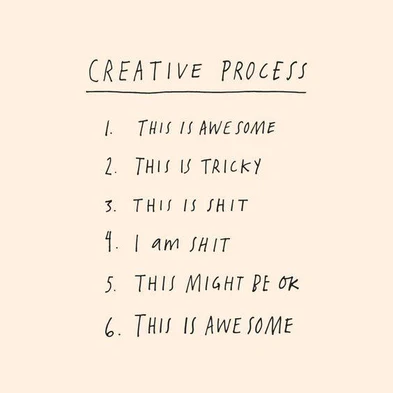


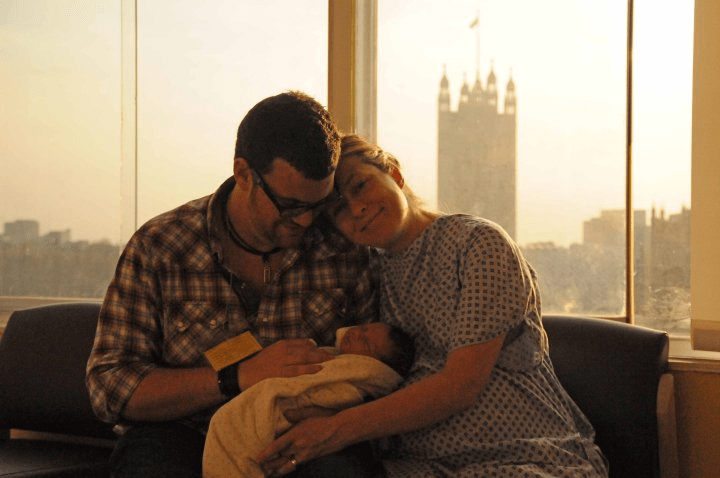
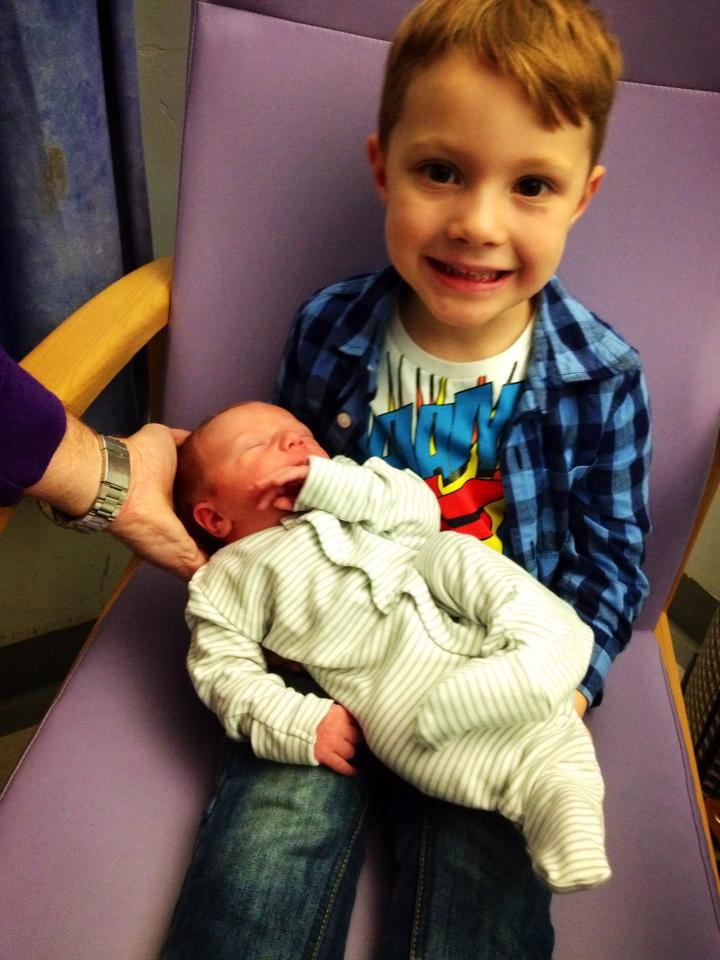


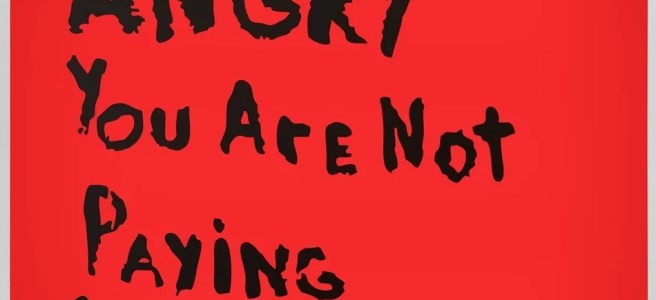

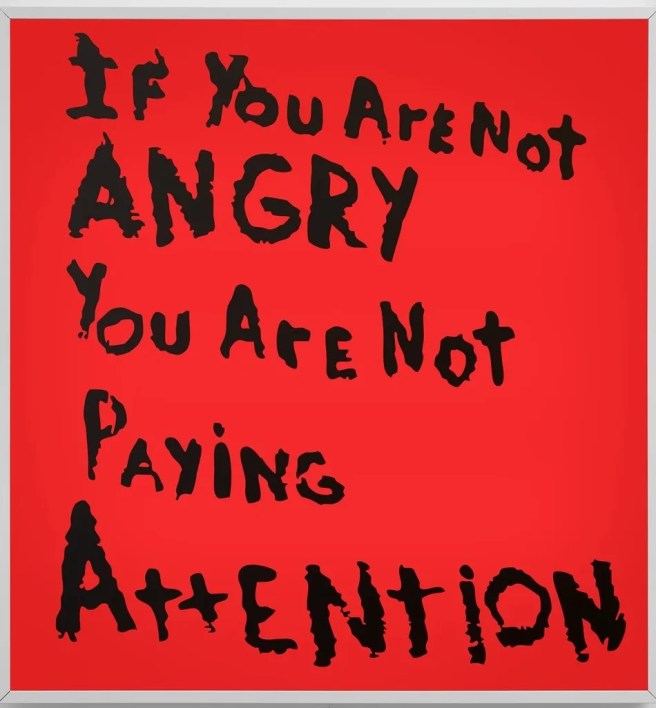
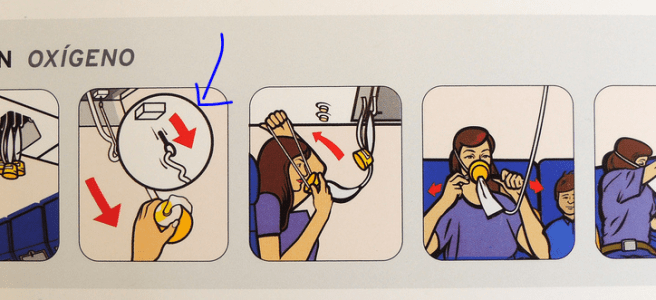
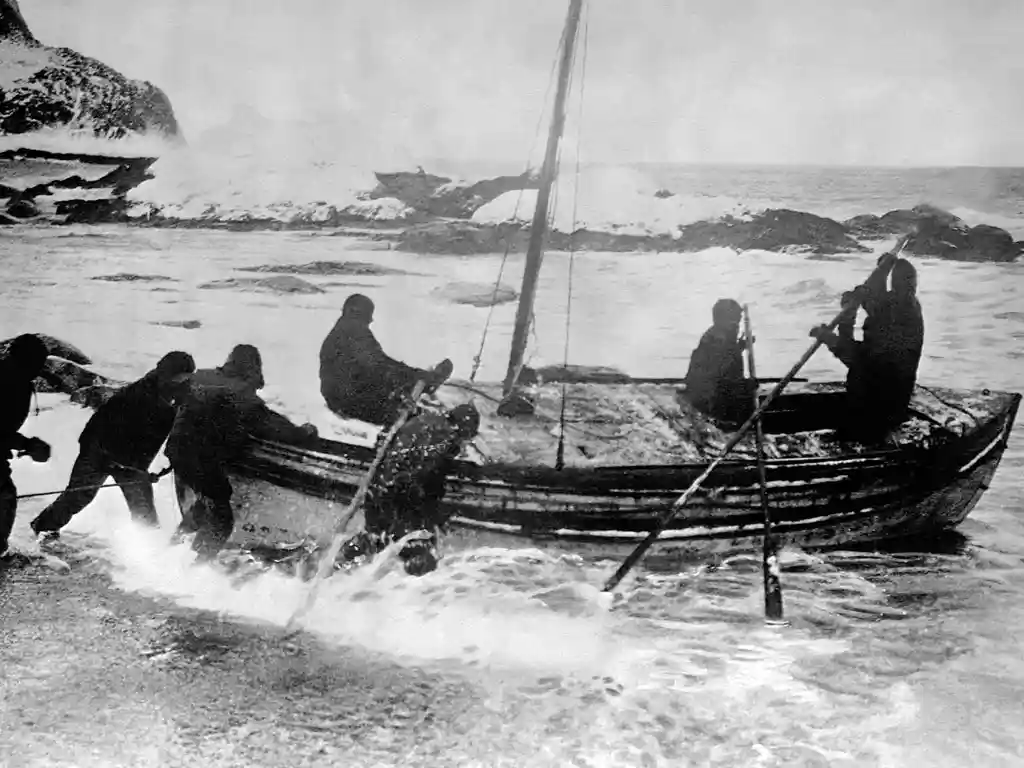
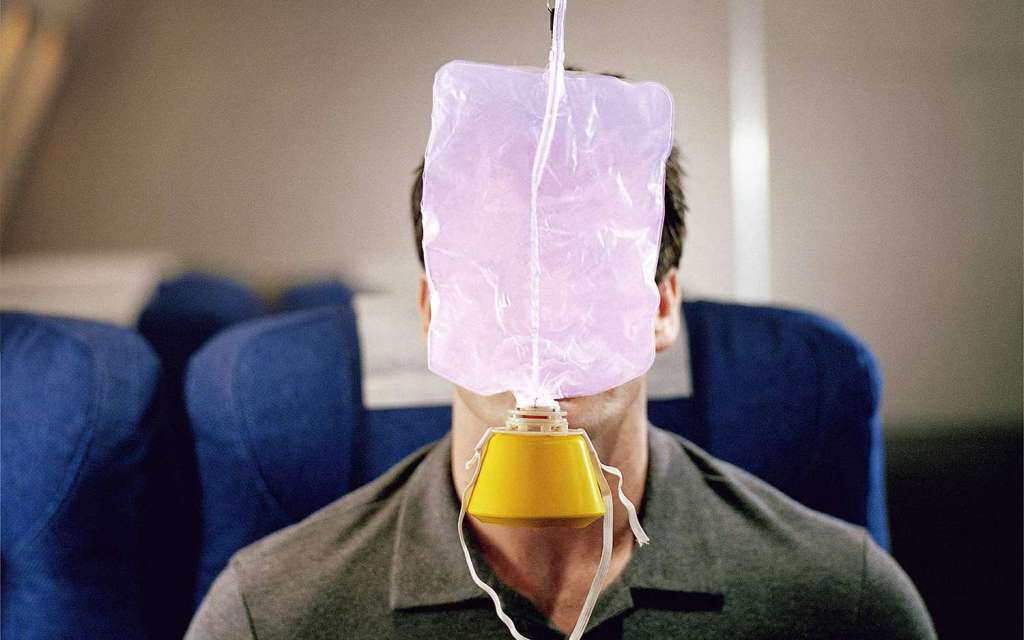

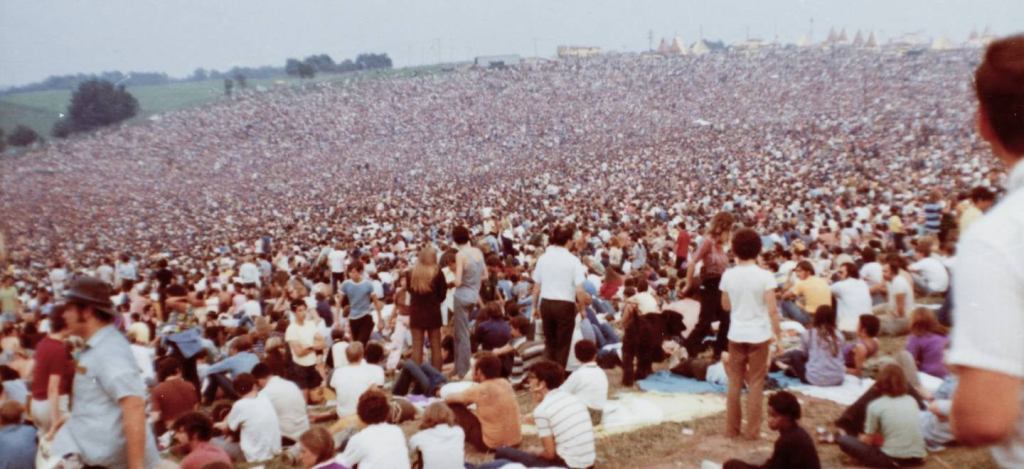
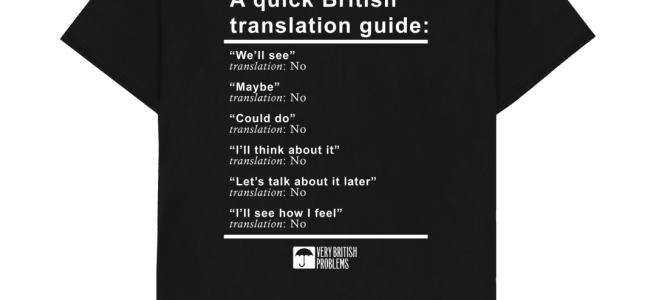



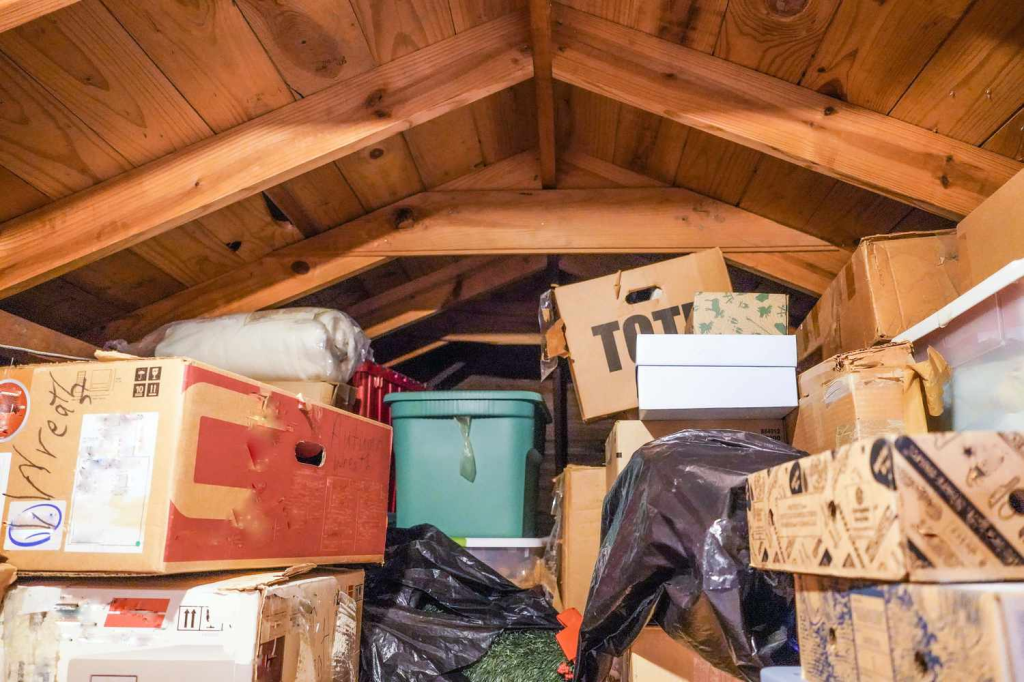
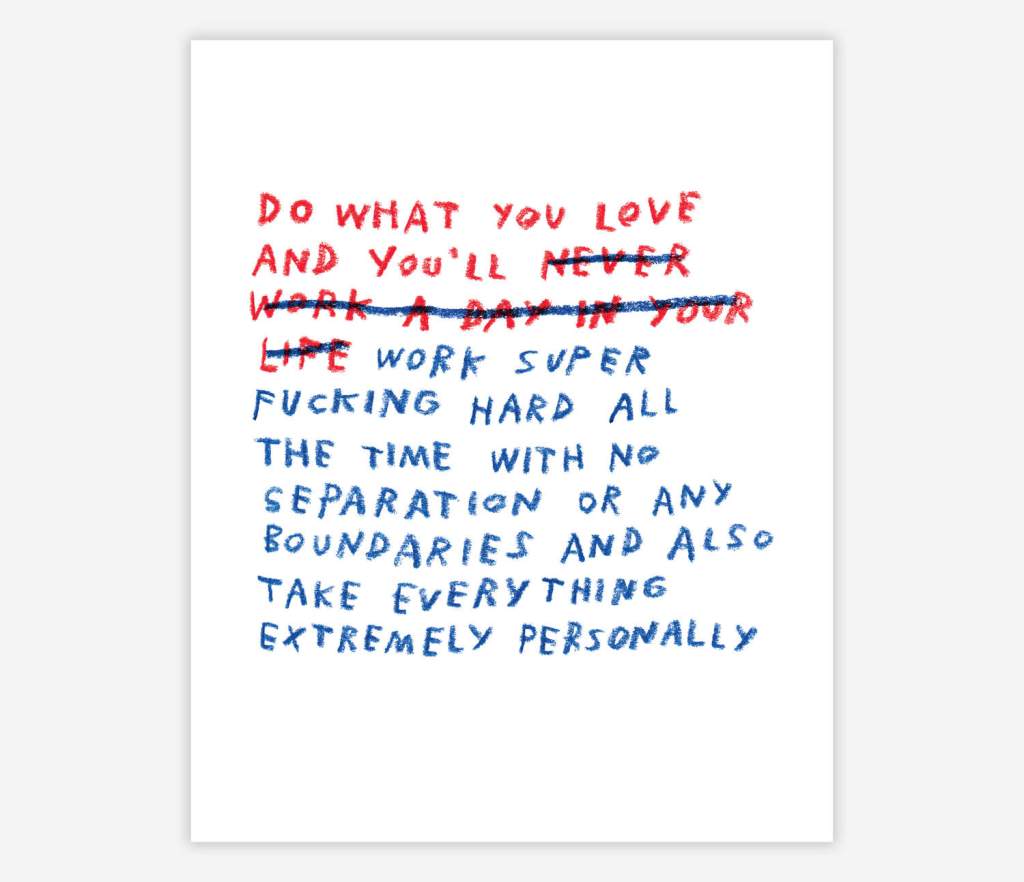





 The Bartlett Bubble