The letting go

My two sons were both born in London. Ben was born just after midnight on a Tuesday in the middle of April, 2010, at St Thomas’ Hospital, right by the River Thames. As my wife and I cradled the chubby, spiky haired little human we’d created, we gazed out of the window and watched the sun come up over the Houses of Parliament on the other side of the dirty old river. I’ll never forget that morning.
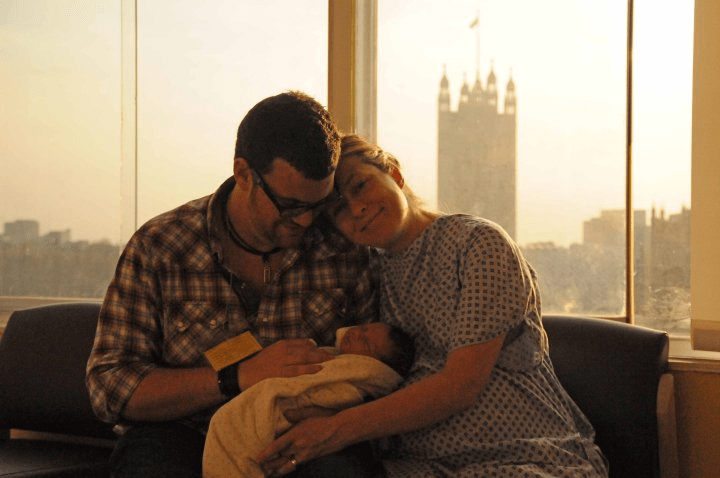
“That” picture. April 20th, 2010.

As any of you who’ve had more than one child will appreciate, it’s a bit more hazy with the second one. I know Jack was born in Kings Hospital in South East London, at around 11ish, and I think it might have been a Wednesday but don’t quote me on it.

One thing I do remember is texting my dad to say we’d had a another boy [for both children we decided not to find out the sex in advance, simply because there aren’t many times in your life that you get a true, total, life-changing surprise, and we figured finding out if it’s a boy or a girl is one of them] and him texting back to say he already had three grandsons and had ordered a girl and could we take it back and get a refund?

I also remember three-and-a-half-year-old Ben meeting Jack for the very first time, holding him carefully in his lap and then quietly starting to cry. When we asked him what was wrong, he looked up from his little brother and, smiling through the tears, said

“I just love him so much”

Meeting his little brother

Cue additional tears from all the surrounding parents and grandparents. And, I can tell you, cue his old dad reaching for a tissue as he writes this nearly 12 years later, with the sound of those two boys bickering about who’s turn it is on the Playstation just next door to where I’m sitting.

But anyway, this isn’t really about their respective births, believe it or not [although it was a nice excuse to dig out those pictures and show them to you, I’m sure you’ll agree]. It’s not even really about the fact that they were born in London and brought up in London for the first few years of their lives, but we’ll hover here for a bit if you don’t mind? [And even if you do mind, we’re going to need to do it anyway because it’s part of the narrative and so it’s kind of important. Not like this bit. Oh no, this is just a waste of time really – a deliberate detour designed to disrupt. Good bit of alliteration eh? I love the allure of alliteration, don’t you? Anyway this really is getting silly now: I’d skip to the next bit if I were you.]

I don’t know if you’ve ever driven around London, or been driven around London, but it’s pretty hectic. Not Bangkok tuk-tuk hectic, or Paris aggressively maniacal hectic, but hectic nonetheless.

I’m pretty good on a bike but at the time my wife would probably have been considered more of a ‘provisional’ bicycle rider, getting one of those big ‘P’ signs that nervous parents put on the cars of their all-too-confident new drivers in the UK.

Put those together and “family bike ride” was never going to be on the agenda really. So [feeling very guilty about it of course, because guilt and parenthood are such happy bedfellows] we didn’t get round to teaching them how to ride a bike until we moved out into the countryside,

[Isn’t it funny how riding a bike is one of those things that literally everyone is expected to learn how to do? Cycling and swimming, What exalted company bike-riding has been keeping! Not knowing how to swim could result in a tragic death by drowning headline in a local newspaper. Not knowing how to ride a bike could result in… having to walk for a bit? Maybe catching a bus? Yet if I met someone who couldn’t ride a bike, before I could stop myself I’d blurt out “you can’t ride a bike??” in an incredulous and slightly high-pitched voice like they’d told me they’d never learnt to tie their shoelaces or use a knife and fork.]

Do you remember learning how to ride a bike? I do. I remember being on the path at the back of our house with my dad [two mentions in one blog eh Dad? You’ll be feeling all spoilt!] doing that funny bent-over run, holding on to the back of the saddle until I’d picked up speed and then… has he let go?… I think he’s let go… I’m riding a bike!!

And then, of course, I’d probably got for a bit, wobble, then fall off and graze the skin of my knee on the hard gravel of the path.

The magic of a plaster

But with our own boys we never quite got round to it. Always something easier and more relevant to do in old London town, of course. So it wasn’t until we’d got out of the “Big Smoke™️” that we started to think about getting it sorted.

And when we eventually did, bikes and padding and helmets all gleaming in the summer sunshine, I got to experience something I’d not experienced before:

“The letting go”.

Letting go of the back of the saddle with the knowledge [not the “fear”, please note Dear Reader, but the absolute certain knowledge] that whatever son I was holding onto would go for a bit, wobble, then fall off and graze the skin off their knee on the hard ground of the village cricket pitch which we’re fortunate to have just through the little gate at the end of our garden.

And with that, the knowledge our younger son – the same one you remember in the arms of his elder brother all those years ago – will go absolutely ape-shit and say he doesn’t want to ride a stupid bike anyway.

And the knowledge that you’re going to do it again, and again, and again, until he stops the wobble and fall off bit. Might not happen today, but eventually it will.

AI imagery is freaky isn’t it?

Cut to the present., and really the actual point of this particular ramble through the brambles on memory lane.

A good few months back now, I was talking to a senior copywriter at work [he’s left now but there’s a chance he might read this so “hello Andy mate!” just in case!], and we were sharing thoughts on the responsibility of managing people, and delegating, and getting the balance right between pushing forward and holding back; between freedom and support.

[Yeah yeah, I know, you’re way ahead of me here. I would expect nothing less from such an astute reader as your good self.]

And of course we ended up talking about parenting in general, and then specifically about that moment: the letting go.

Managing people is really all about that moment, or series of moments. Knowing when to give someone the extra space to work on a project or try something different or do the first draft of a piece of work with the knowledge that what you get back could be totally perfect first time, but the chances are it’ll need a little polishing here and there.

The most important part of this is what happens next, of course.

Let me ask you: what would have happened if, when one of the boys had fallen off, under the guise of protecting them but probably also just thinking it would be a lot quicker and easier, I’d just taken the bike and ridden it myself? I end up with a bad back from riding a bike too small for me, and they end up still unable to ride a bike [and, horror of horrors, having to walk instead. Anyway we’ve covered that haven’t we?].

Managing and delegation aren’t the same thing, but they’re interconnected. If you can’t delegate – really delegate, letting go again and again as people learn – then really you’re not managing. At best you’re stifling. At worst you’re doing what was once described to me as “seagull management”, where you fly around over the top of things and occasionally come down and shit all over everything [and presumably also steal some chips from a chubby kid in a pushchair, but I fear I may be following this particular analogy too far down the road]..

I’ve seen brilliant people who couldn’t get their heads around delegating properly, either out of a “I don’t have the time to explain it to someone else” lack of appreciation of time management, or a “I’ll do it myself because I’ll do it better anyway” lack of understanding of their responsibility in this situation. What happened to them, do you think? That’s right, they got stuck. If you can’t delegate, you can’t progress because you’re the do-er, not the person who gets the doing done.

I may, on occasion, have done this myself over the years. I know it sounds unlikely – I can hardly believe it myself to be honest – but I’ve even got myself stuck in the “I don’t have time to explain it all and only I know what’s going on and honestly it’s just easier if I just crack on and get things done myself” rut in the not-too-distant past. I’ve even managed to convince myself that it’s an act of service for other people, when it’s actually more like an act of performative martyrdom.

And we’ve all seen plenty of those, right?

“No honestly it’s fine. I’ll do it. You don’t need the hassle” etc etc.

So there are a number of things to take from all this, I guess. [Probably three in total, because things tend to end up in threes in these situations, don’t you find? I’ll start with the first and go from there, and we can see at the end if it was three in total after all. Exciting eh?!]

  1. The letting go is a crucial part of learning. Whether we like it or not, failure is always the best way to learn. Retracing your steps till you know. Have no fear, your wounds will heal. [If you’re sitting there thinking “that sounds strangely familiar”, then a) well done you, and b) yes I have just accidentally on purpose drifted into the lyrics of the song “Failure” by the Norwegian folk-pop duo Kings of Convenience off their 2001 album “Quiet Is The New Loud”. If you haven’t you definitely should – Spotify link here. You are, as ever, most welcome.]
  2. If you don’t give people the space for that learning and growth, they will never learn and grow. And you, my friend, will be stuck doing the stuff that they would have learnt to do, if you had let go. Which means you can’t do the other stuff that you want to do so you too can learn and grow.
  3. No matter how experienced you are, the letting go never gets more comfortable, nor less important. In fact, the letting go actually protects you, by allowing perfectly capable others to support you. [It did end being three. I kind of knew it would be, didn’t you?]

That’s what I’ve rediscovered in recent months, like a comfy old jumper that’s fallen to the back of the palatial walk-in wardrobe in the East wing of your country retreat [I’m guessing here, but pretty confident that because you have the foresight and insight to be reading this you’re almost certainly one of the leading lights in your line of work. Or bloody should be, am I right?], that super soft woollen number which of course you haven’t worn for a while, but when you find it you know how comfy it’s going to feel as soon as you pull if over your head and ease your arms through the arm holes [is that the phrase for that part of a jumper? Doesn’t sound quite right, does it?] and so simultaneously you’re a bit annoyed you’d forgotten about it, but more than that you’re excited about its rediscovery and the familiar warmth to come [Sleeves! Of course, knew it’d come back to me eventually].

Funny how the fact that, despite knowing the right way to do all this stuff, you can so easily slip back into old, bad habits you know didn’t help last time.

Funny how you need to remember it all and sometimes learn it all again.

Funny how no matter how many times you’ve done it, it never gets much easier.

[Exactly not like riding a bike, come to think of it…]

And then… when you get it right… wow doesn’t it just feel great? Helping someone else to learn and grow has to be whole point of getting all the experience if you ask me. Passing on your knowledge and [dare I say it?] wisdom [yes I bloody dare!] and then getting to the point where you know and they know the time is now…

And once you’re there, you realise the letting go isn’t the end of the story; it’s the prologue for everything to come.


In celebration of silliness

One day when I was maybe 10 or so, my mum came home with a cast on her arm, and told us all she’d slipped on some ice outside the hospital where she worked and broken it. All evening we made sure she was comfy and got her cups of tea and looked after her, and at one point I saw tears running down her face. “Don’t worry,” Dad said quietly to me, “she’s just in shock”. A few minutes later she pulled the fake cast off her arm and revealed they were tears of laughter which of course we all agreed was just “silly”.

And then I discovered silliness on the telly, and felt the connection which has continued to this day

Despite what the ever expanding wrinkles and white bits in the hair and beard might suggest, I’m much too young to remember Monty Python’s Flying Circus first time round, but it seemed to be on constant repeat when I was a kid. Popping up here and there is a character called The Colonel, a classic, stuffy British Army officer-type played by Graham Chapman, who would interrupt a sketch if it got “silly”.

My personal favourite appearance was a sketch about gangs of old ladies – Hell’s Grannies – “attacking fit, defenceless young men”. Obviously completely daft from the beginning, it brings in other, ever more “silly” ideas (a group of men dressed as babies kidnapping a 48-year-old man from outside a shop; vicious gangs of ‘keep left’ signs attacking a vicar) until The Colonel feels the need to step in.

Very silly
The Colonel – Hell’s Grannies sketch by Monty Python
Donald & Davey Stott
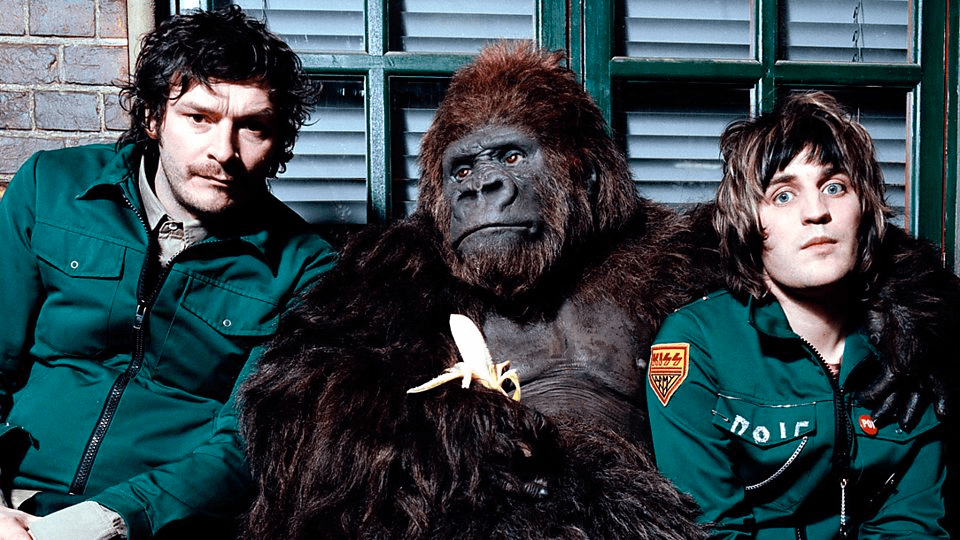
The Mighty Boosh: Howard, Bollo the talking gorilla, and Vince.
Cheesy moon, courtesy of AI
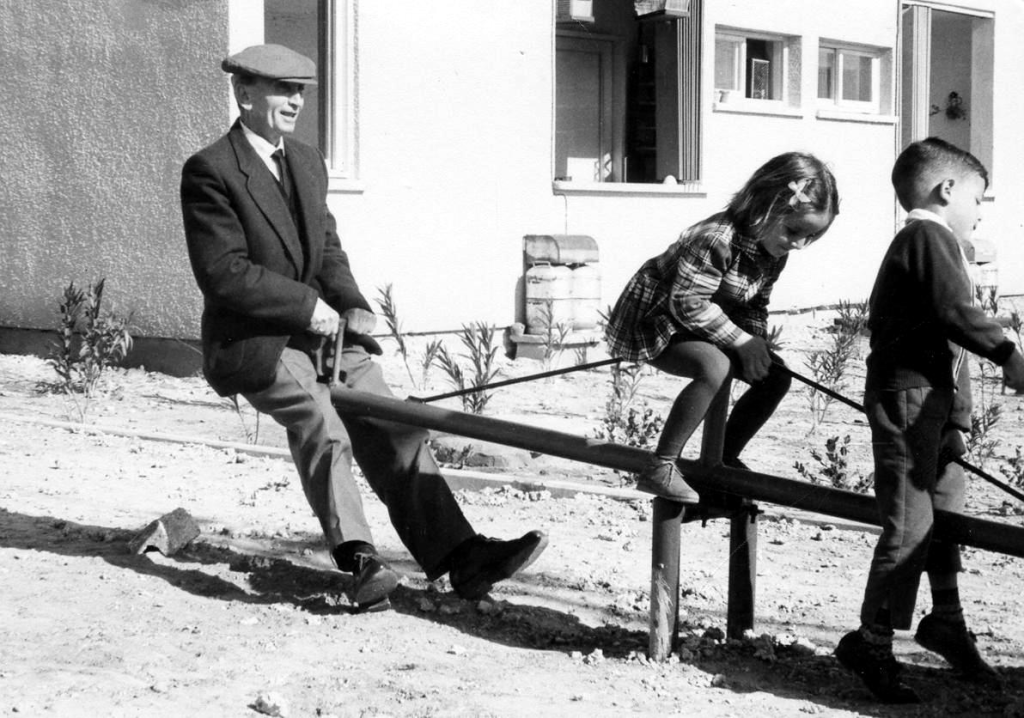
Gramps back on the see-saw for the first time in 60 years

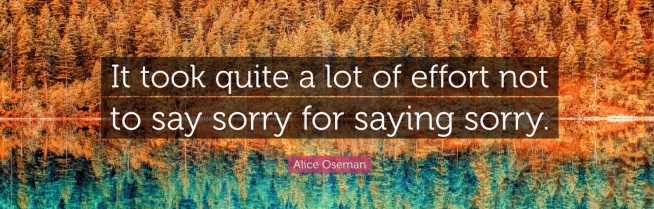
Sorry (again)

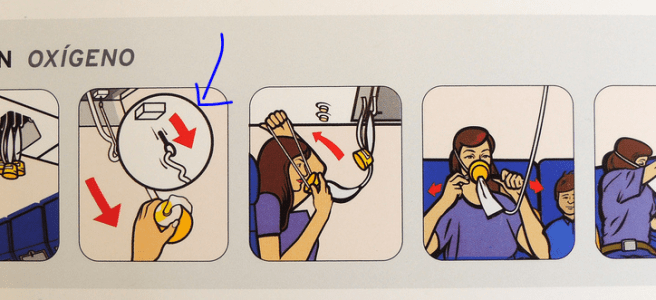
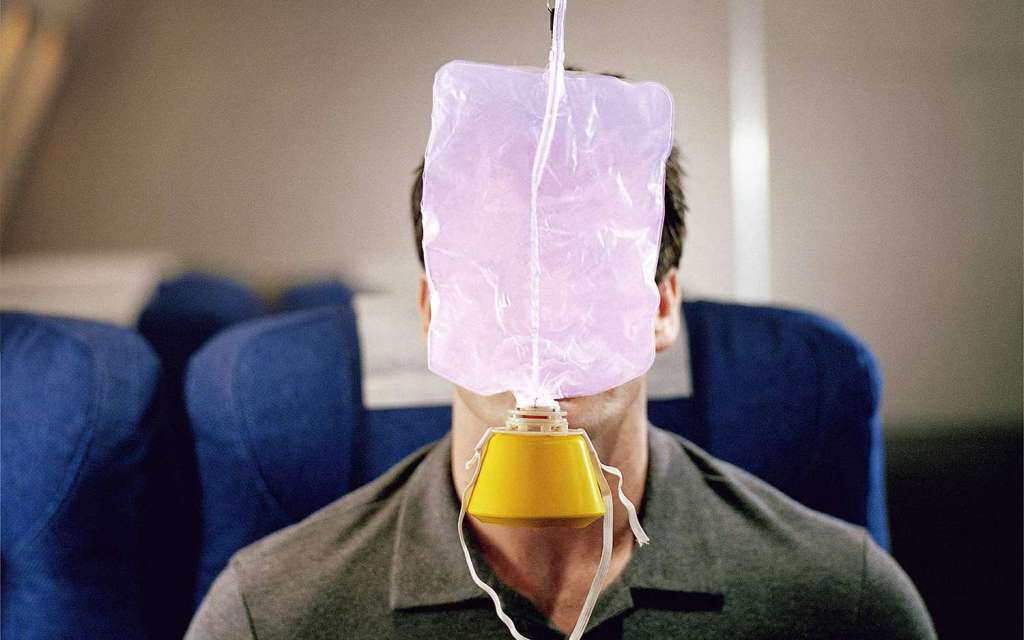
Eating last and the oxygen mask

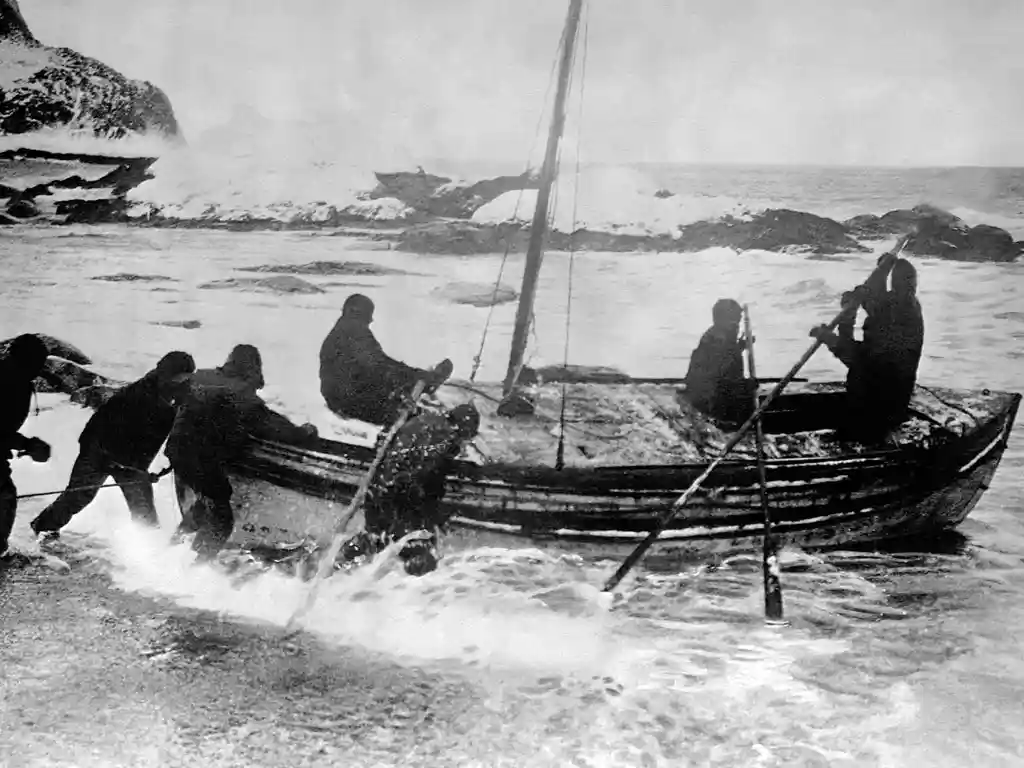
Shackleton and his chums setting off on the boat to find help
Here’s hoping we never have to remember how to do it for real

The Oak Tree

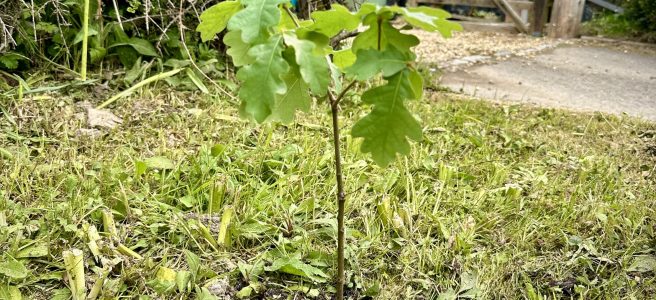
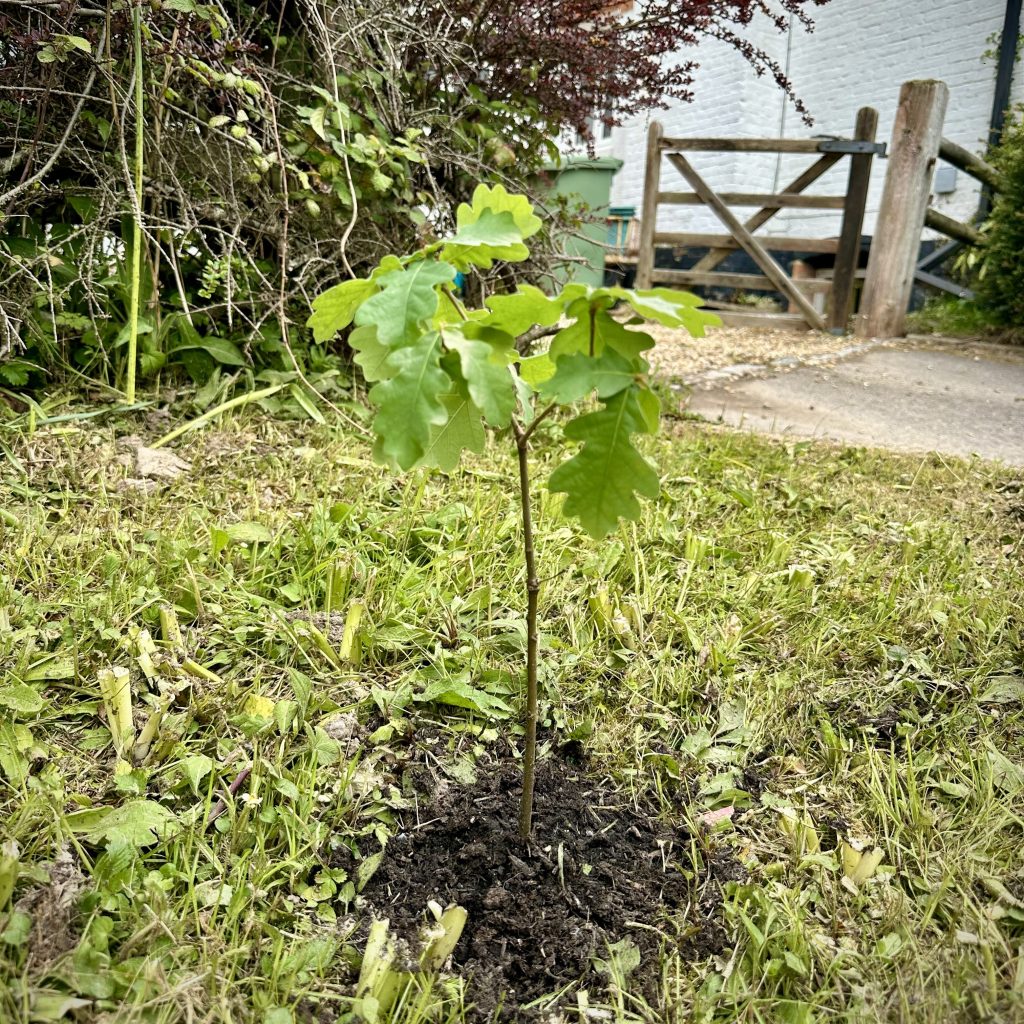
I planted an oak tree a couple of weeks ago. I’ll come on to why I had an oak tree to plant in a bit, but I was surprised how interesting the planting turned out to be. Because quite unexpectedly, the very act of kneeling down out at the front of my house on the edge of a little village in the South East corner of our little country and planting a little 6-inch tree in the soil attracted more attention than usual from the usual stream of passers-by.

To give you a bit of context, I live right on the edge of a big forest, and the path into said forest is right over the road from my front door, and on a sunny Sunday like we had that particular weekend, there are always a fair few people who park up in the village to wander into the woods, perhaps walking their dog, perhaps walking their kids [we all know that kids need the energy running out of them just as much as any dog], or perhaps just walking themselves with their friends, and they all go past the front of my house.

And so when I’m out there of a weekend doing classic middle-aged man things like tidying the hedge or putting stuff in the back of the car to take to the tip [our British word for the local recycling centre, and a mainstay of classic weekend activity for those of you who aren’t Brits and are wondering what I’m on about] or taking Jack [10-year old human male] to football training or Ben [14-year-old human male] to rugby training or Ruby [3-year-old canine female] for a walk [yes, this is the rock-n-roll lifestyle I lead] I often end up in a lot of smalltalk chitchat “lovely weather we’re having” conversations with strangers.

More than I’d ideally like, if I’m honest, because in my heart of hearts I’m not really quite as outgoing and gregarious and social as I might seem. [I’ve discovered over the years that I’m what can be described as an “extroverted introvert”, in that I’ll happily talk to anyone and everyone but I’ll also resent the fact that I have to and will be exhausted from the energy the interaction requires. But that feels like another blog…]

This time, though, it was different.

For a start, virtually everyone who came past felt the urge to point out to me what I was doing, mostly with a mixture of surprise and delight in their voice:

Oh, you’re planting an oak tree!

[Which actually doesn’t happen that often, when you think about it. It’s not often complete strangers totally succumb to the urge to tell you what you’re doing at the time. Imagine how odd the world would be if they did. “You’re walking down the street”. “You’re sitting on a train”. It would end up feeling like you were in some weird kids’ TV show where adults dressed in primary colours point out the blindingly obvious to an audience of tiny, no-nothing humans.]

And then, as a follow-up, virtually everyone would say something about how long it would take to grow, often with a bit of low level comedy in there:

I’ll have to come back in 30 years to see how it’s going.

That’ll look lovely in 100 years!

Quite a few people talked about their own mortality…

I won’t be around to see that fully grown…

Or indeed, about mine:

That’ll be one for your grandchildren to enjoy!

When the first person stopped and pointed out that I was, indeed, planting an oak tree and that yes, it would be a long time until it was fully grown, I said something along the lines of…

“They say that the best time to plant an oak tree is 100 years ago, and the second best time is today!”

…which got a great reaction, and so I basically recycled versions of that same line over and over with everyone who came past, honing my delivery each time, every new set of people blissfully unaware that they had unknowingly wandered into my perfectly curated and planned out set-piece interaction where I knew what they would say and what I would say before anyone said anything, all people playing their parts perfectly, my supporting actors never knowing that they weren’t the first to point out what I was doing, or experience the seemingly off-the-cuff remembering of an old quotation.

I knew I’d picked that line up from somewhere, but because I couldn’t remember where and because the people I was talking to probably wouldn’t know either, by the end I was making out it was a famous quotation which I knew and making up who had said it. Thomas Jefferson sounded realistic, as did Benjamin Franklin [not sure why the American forefathers leapt to mind, but I vaguely remember something about one of them chopping down a tree and then lying about it… or not lying about it… or some such thing; if you’re from that side of the ocean perhaps you can enlighten me!], and Lord Byron, for some reason, and then of course you can always drop in Churchill because all quotations sound like they come from him.

[As it happens, having put an appropriate amount of effort into researching this, it turns out it’s none of them: it’s actually (as far as I can ascertain, anyway) from an old Chinese proverb, and it’s not about an oak tree specifically, it’s about trees in general, and it’s not 100 years, it’s 30 or 20, depending on where you look. But as Mark Twain/Ernest Hemingway/Jonathan Swift/etc might or might not have once said: “Never let the truth get in the way of a good story”.]

And so, as the sky started to bruise and late afternoon made its lazy way towards early evening, I kept myself occupied with making up new attributions for this “quotation” and had a bunch of very small, but very enjoyable and (for me, at least) playful little interactions, all ending with an “enjoy your walk” from me and a variation on “enjoy your tree!” from them.

[I tell a lie: there was one more negative exception which proved the rule: a very prim and proper woman who took the time to point out that because of where I’d planted it, in 50 years time “that tree” would be getting in the way of the electricity and telephone wires criss-crossing above and I should perhaps plant it somewhere else. Knowing me as you do, dear reader, you will be most proud and a little surprised to hear that I didn’t simply say “oh sod off you grumpy old bag”, but instead said that in 50 years the tech would have moved on and there probably wouldn’t be wires above and anyway I’d be long dead by then and it wouldn’t be my problem to worry about. Which, considering she was maybe 25 years older than me, probably gave her a little jolting reminder of her own mortality and, perhaps, made her consider whether being such a naysayer was really how she wanted to spend her Autumn years. But we didn’t get into that next conversation because by that point it was clear we weren’t going to be friends anyway.]

And as I stood back, brushing the soil from my hands and admiring my handiwork – this funny little baby tree in the middle of a patch of grass, containing every piece of genetic information it needed to become a huge oak towering over the house – I had quite a deep feeling of accomplishment, and even a little pride.

I’m someone who plants an oak tree, with the knowledge that I won’t be here to see its majesty. It felt like a pure act of altruism, of outward-looking connection to the future. To people I’d never know, who would never know that I planted this tree, all those years ago.

And there he is!

Perhaps, in 60 or 70 years’ time, my own sons might visit the village in which they grew up, perhaps bringing their own grandchildren, or great-grandchildren even, and say “I remember when my dad planted that tree”. And they could all point out that as it turned out it had really got in the way of all the electricity cables and made a right mess of things, and remember how the great power cut of 2078 that had all been traced back to me planting that very tree back in 2024…

Last Sunday, I have to say, they were both pretty underwhelmed. But they could see I was chuffed to bits with it so they kept their lack of enthusiasm to grunts of “it’s not very big” and “is that it?” and we left it at that.

So why, I hear you cry? Why was I planting an oak tree, of all things?

Good question. Well done you. There are a few reasons, and they probably make the most sense if I explain them in reverse order…

This little oak tree had actually been living in my house for a few weeks by the time it eventually got to experience the wild wonders of the world, but had arrived just before the twentieth day of the third month of this year which I’m sure you will have spotted is indeed my birthday.

If you’re also wondering why it took so long to plant it, well that’s symbolic of how my brain works – an often constant cycle between “I must do that important thing” followed by a gap, followed by a reminder and “shit I forgot to do that important thing” and then a gap and then repeat. A cycle between frustration and guilt and self flaggelation which is only broken by actually just doing the important thing which often doesn’t even take that long once I get down to it.

This is how it was with our oak tree. When it arrived it was just a little twig with roots in a bit of soil in a little plastic bag within a little hessian draw-string bag, and it sat on the windowsill in the kitchen [you know, the one behind the kitchen sink, by the window]. Every time I noticed it again, perhaps once a week or maybe a little more often, I’d go through the cycle of self flagelation above and give it a little drink from the kitchen tap, and think “definitely this weekend”. Then I’d forget all about it until the next time.

But this is an oak tree, remember? These things last for hundreds of years, and a few weeks being forgotten about by some bloke with a fuzzy brain wasn’t going to stand in the way of that.

So it grew leaves anyway. Beautiful, perfect little oak tree leaves like the ones you’d get if you googled “oak tree leaves”. Leaves of life, and determination. Leaves that demonstrated that this was a living thing, demanding to be planted so the roots living in a hessian draw-string bag could dive down deep into the earth to find their own water source.

Putting together all this information, and if you’re not only observant but also somewhat sleuth-like, you may well have worked out that this little oak tree friend of ours was indeed a birthday present.

The next question your inquisitive mind might ask could be “why on earth would someone buy you an oak tree sapling as a birthday present?”

Well, this particular oak tree was a surprise present from the person who’s been coaching me for the last couple of years, another Sarah in my life [alongside my wife and my big sis], who lives on the the other side of the world in Australia. And when she sent me an oak tree, she knew that I would know the meaning behind that gift.

Which takes me right back to the chronological start of this (surprisingly long) tale.

If you’re a regular reader you’ll know that I’ve had my struggles with mental health over the years, and you’ll also know that I’m now thinking that some of those struggles could well be connected to undiagnosed and untreated ADHD, which I had diagnosed and then treated from last year.

So over the years I’ve occasionally found myself right in the middle of the deep dark forest [you can jump into the Ted Lasso story around that idea here if you feel the need], where everything seems tough and scary and you don’t know which way to turn. You know how that feels too, I’m sure. I hope you’re not in there right now.

But as Coach Lasso pointed out, fairy tales do not begin, nor do they end, in the deep dark forest. “That son-of-a-gun always shows up smack-dab in the middle of a story”. Things do get better, and things do work out.

What I’ve found is that it’s not until you start to find your way out, coming out into the open air, seeing the sky and the clouds and the sunlight, that things start to get some context.

I’ve also found that there is a huge temptation, at that point of being able to look back, to curse the forest for all its darkness and danger and discomfort.

And that’s where the oak tree changed things for me, and why it’s become such a theme for me, and why Sarah gave me an oak tree for my birthday, and why planting it meant more to me than it would have if I had planted a beech, or ash, or horse chestnut.

Because the oak tree doesn’t represent the forest. The oak tree isn’t the forest, or part of the forest. The Oak Tree is a poem.

[Listen, if you’re sitting there reading this and thinking “oh for crying out loud, what is he banging on about”, or possibly words with the same meaning but with more expletives, then I get it. I wouldn’t blame you if you decided that you’ve had enough of this story which started with some amateur horticulture and has ended up here, talking poetry. It’s been quite a journey to this point, I grant you. But going through the forest often means you need to take some strange turns along the way, right? So stick with me. It’s worth it, I promise.]

It’s a poem that my yoga teacher, Lucy, read out during one of our yoga therapy sessions just as I was coming out of a deep dark forest of my own. It’s called, simply, The Oak Tree, and it goes like this:

The Oak Tree

A mighty wind blew night and day
It stole the oak tree’s leaves away
Then snapped its boughs and pulled its bark
Until the oak was tired and stark

But still the oak tree held its ground
While other trees fell all around
The weary wind gave up and spoke,
“How can you still be standing Oak?”

The oak tree said, “I know that you
Can break each branch of mine in two,
Carry every leaf away,
Shake my limbs, and make me sway.”

But I have roots stretched in the earth
Growing stronger since my birth
You’ll never touch them, for you see
They are the deepest part of me.

Until today, I wasn’t sure
Of just how much I could endure
But now I have found, with thanks to you
I’m stronger than I ever knew.”

It’s that last verse that got me. The idea that I could look back not with horror of what I’d come through, but with gratitude for what it showed me about myself, was brand new to me.

I’m sure that you, like me, have the tendency to look back at difficult times and revile them. Perhaps you’ve even put a whole calendar year in a box marked “CRAP” and now you talk about it like it something real and evil rather than just the social construct that it was. 2023 sucked, right?

Whatever the situation you experienced [the one you’re thinking about right now, for example], whether it was a difficult friendship, or a toxic work environment, or a bereavement, or a break-up, or just the end of an era, the urge is there to put it in a neat little box and then burn that box in the eternal fires of Hades because the wind was battering you and your branches were breaking and your leaves got carried away and you were swaying all over the place and you just want to forget about it.

But here you are. You made it from then, which seemed so huge and impassable and desperate, to now. And like it or not, you learnt something along the way.

About your values.

About your friends.

About what’s really important to you.

About yourself, and what you can endure.

It feels a bit unfair perhaps, but you don’t get to learn those things when you’re wandering carefree through the meadows. You only get to learn those things when you’re being tested. So whilst you may not feel like it now, perhaps one day you might even look back with a kind of gratitude, for showing you those things.

For showing you just how deep your roots go.

I’m not saying that’s an easy shift. But once made, it’s a shift that can release some of the tension you’ve built up around those more difficult times. It certainly allowed me to shift the way I look at the bad things that happen. Bad things will always happen. Of that there can, I’m sorry to say, be no doubt. But how you look back on them? That, dear reader, is always up to you. You didn’t get to decide what happened. But you do get to decide what place these things occupy in your mind, and what energy you give them. You do have choices now.

Me? I chose to plant an oak tree, to symbolise all these things. Time moving inexorably on from a made-up, one-sided story we tell ourselves about the past, through the reality of right now, towards another fantasy which we call the future. My own mortality within that. Friendship and support. Trials and tribulations. Resilience, and choices. My own roots. Stronger than I ever knew.

Not bad for a 6-inch high twig with a dozen or so leaves.

What got you here won’t get you there

I started a new job recently. First time in the best part of a decade that I’ve been the ‘new kid on the block’, and this time, I’m far from being a kid, too. The “new middle-aged man with white in his beard that makes him look like one of his parents was a badger… on the block” might be closer to the mark. If a little less punchy, and almost infinitely less likely to be used as the basis of a boy band name as a result…

A long time ago, I stumbled across a book called “What got you here won’t get you there”. The idea of this [or at least my recollection of it in the dusty corner of my feeble memory] is that whenever you move into a new job, or new role, or any new situation in life really, you have to let go of some of the specific things that actually got you into that new job or new role or new situation. An interesting thought, and one that I’ve kept with me since. So every time my job has changed, I’ve been quite deliberate in considering what were the things that got me that move, and what of those might be things I need to actively decide to leave behind rather than bring with me.

Sometimes that can be really hard. Over the years I’ve seen a number of people really struggle when they move from being the person who knows everything to being the person who can’t possibly know everything any more but has a team of people who do. That reassessment of what an individual has come to think of as their “value” can be jarring, and scary, and bloody difficult. I’ve seen people who never quite made that leap of faith, and ended up lost in the middle, never taking the half step away, and ending up in a limbo world of micro-management which limited them and frustrated the team around them.

But sometimes it’s gloriously easy because really you know that what go you here actually included some behaviours or habits that weren’t actually that good for you…

[If you’re sitting there reading this thinking “hang on a minute… he’s talking about himself, isn’t he?” then, Dear Reader, you are right again, you insightful delightful sprite you. Give yourself a high five…which is really just you clapping, I guess, but I only realised that once I’d written it and I can’t go back and delete it now or we’ll never get to the end of this little distraction now will we?]

Self five in action

Some of the things that got me here, also got me into some hot water along the way too.

I’m happy talking about this stuff because I’ve been almost evangelically open about my issues with anxiety through the last few years, in these pages and in person, and I’ve also talked here about my ADHD too, and how it’s now becoming clear to me that the former was the result of not understanding and accepting and learning to live with the latter. I subscribe to the idea that more people talk about this stuff the more people feel they can talk about this stuff: “it’s okay to not be okay”.

So with that in mind, it’s pretty obvious to me now, looking back with the clarity that only time and space can give, that the way I managed myself, and my “self” was almost a recipe for disaster. Give someone with a brain like mine – overthinking every possible outcome, empathetic to the point of paralysis, needing to love and be loved – responsibility for the hopes and dreams of a bunch of really nice, really bright people and I’ll pull myself apart trying to keep everything together.

I’ve also said before in these pages that I really think lockdown heightened everything for the empathetic leader, Suddenly we really were “all in this together” in way that the brands and politicians who spouted all that stuff could never comprehend. We were each others extended families through that, and I know I’m not alone in having felt the need to step up as the head of a frightened, often dysfunctional, understandably needy group of people. People whose careers I always felt “responsible” for in some way or other, but whose mental health and wellbeing and hope I suddenly felt were my responsibility too…

So much of that never changed back to “how it was”, of course – practically perhaps more than any other way. The idea of travelling into the middle of London to sit in an office every single day of the working week – and the fact that I did this for 20 years without question, seems faintly absurd to me now; like a dream I once had. [Someone asked if I wanted to meet for lunch in London on a Friday a couple of weeks ago and I honestly thought they had completely lost their mind.]

But beyond where I worked, how I worked had changed too. The feeling of being needed was intoxicating, and became way too personal. When anything needed fixing, even with a capable and committed crew around me I felt the responsibility myself to fix it, and I became so frantic trying to put out fires, small and large, that I didn’t realise I was burning up myself.

Yeah, I know. Not healthy, right?

It wasn’t all burns, of course. I had a lot of fun too, and made some relationships that will endure across time and despite a little more distance, and we did some bloody good work too. But I didn’t need to give all of myself so willingly to the whims of a wild working world. [Yes, I am quite pleased with that little stream of alliteration, you’re right.]

And so, as I sit here on a plane flying to Copenhagen for the second time in a week, next to a nice young lady who has to keep nudging me every time the flight attendant wants to ask me if I want a tiny pack of mixed nuts or the smallest bottle of water I’ve ever seen [international business travel isn’t what it used to be] because I’m too busy writing this for you to realise I’m being spoken to, I’m very conscious of the opportunity that comes with a new start. The opportunity to remember that some of what got me here, won’t get me there

It’s not as simple as changing the logo at the bottom of the PowerPoint document and uploading the new brand typeface [although God knows I do love a typeface] and just carrying on.

You can’t just shift one one place to another and expect that to be the change you need, because whether you like it or not there’s an inescapable fact that wherever you go, and whatever the new start is…

You take yourself with you

[Thanks to my coach for that memorable phrase – nice one Sarah!]

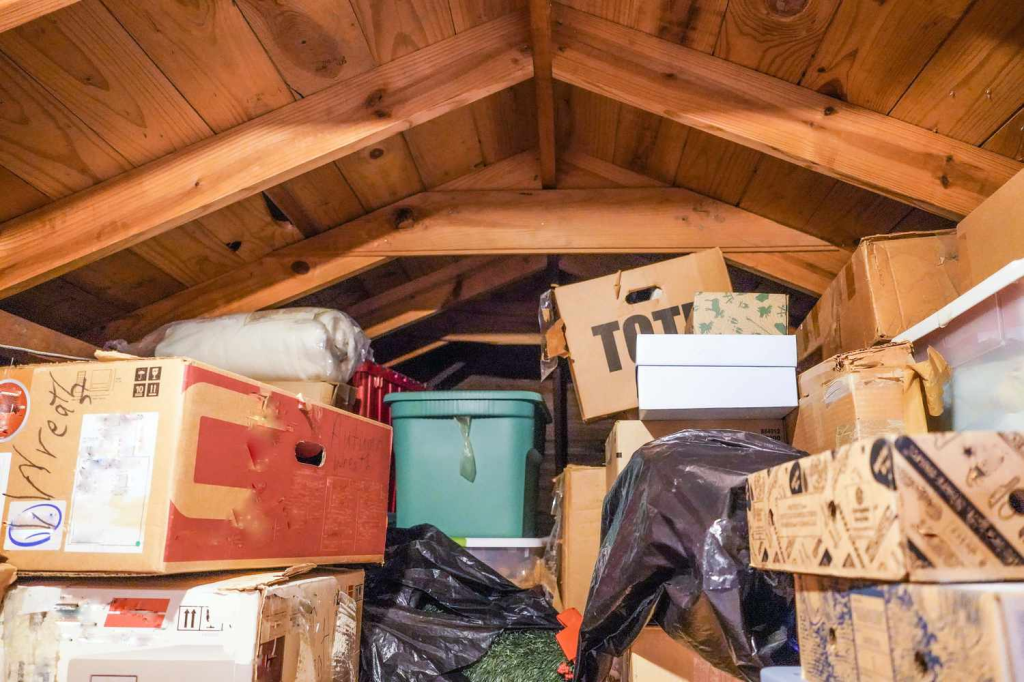
If you’re not deliberate about what you bring, you’ll bring the lot. Like that box in the attic from the last time you moved which never actually got opened because it just said “ODDS AND ENDS” on it in hastily scrawled marker pen.

“ODDS & ENDS”

You take yourself with you, with all the good and all the bad. Put another way: if we don’t learn from the past, we’re destined to repeat it.

Don’t get me wrong, there are massive parts of what got me here that will get me there, wherever “there” is. I’m always going to be ‘all in’. I’m always going to look for connections with people and try to build trust quickly. I’m always going to want to change things that I think need changing. I’m always going to be true to my values. I’m always, always, going to look for the chance to raise a smile and make this work thing we all spend so much time doing actually fun, because if it’s not fun then why the fuck am I doing it anyway?

Yeah, there’s a lot I’m bringing with me. Just not all of it.

So here’s where you come in. You didn’t think this was all about me, did you??

Take a moment. Ask yourself: what are you bringing with you that perhaps you should be leaving behind?

A belief about your ‘value’ that doesn’t actually help you transform, rather than transition?

A way of connecting that leaves you too open? Or too closed?

A story you keep telling yourself about your triumphs or (more likely) your failings?

Well here’s the magic about a new start. About “what got you here won’t get you there”…

Here is just wherever you are, right now.

There is whatever’s next.

You get to decide now, right now, about what you leave behind here, so you can get there.

And if you fuck it up and take it all with you again, the good and the bad?

Well I’ve got yet more magic for you right here, because you get to decide again. And again. You can always start again, whenever you decide to.

You get to choose.

And that choice, Dear Reader, that choice is a freedom that you carry with you everywhere you go, every single day of your life.

You got here. Now, what is going to get you there?